
Last updated October 15, 2026
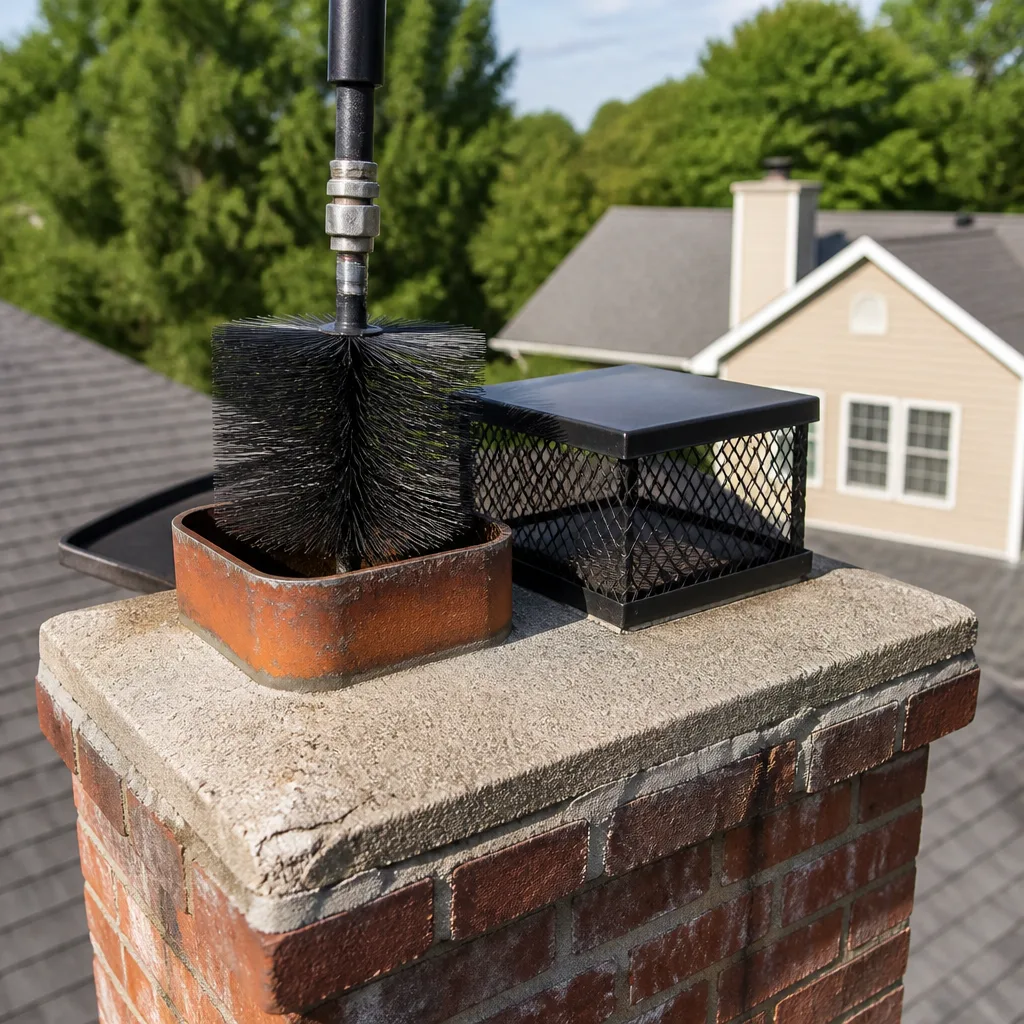 Sweep & inspection
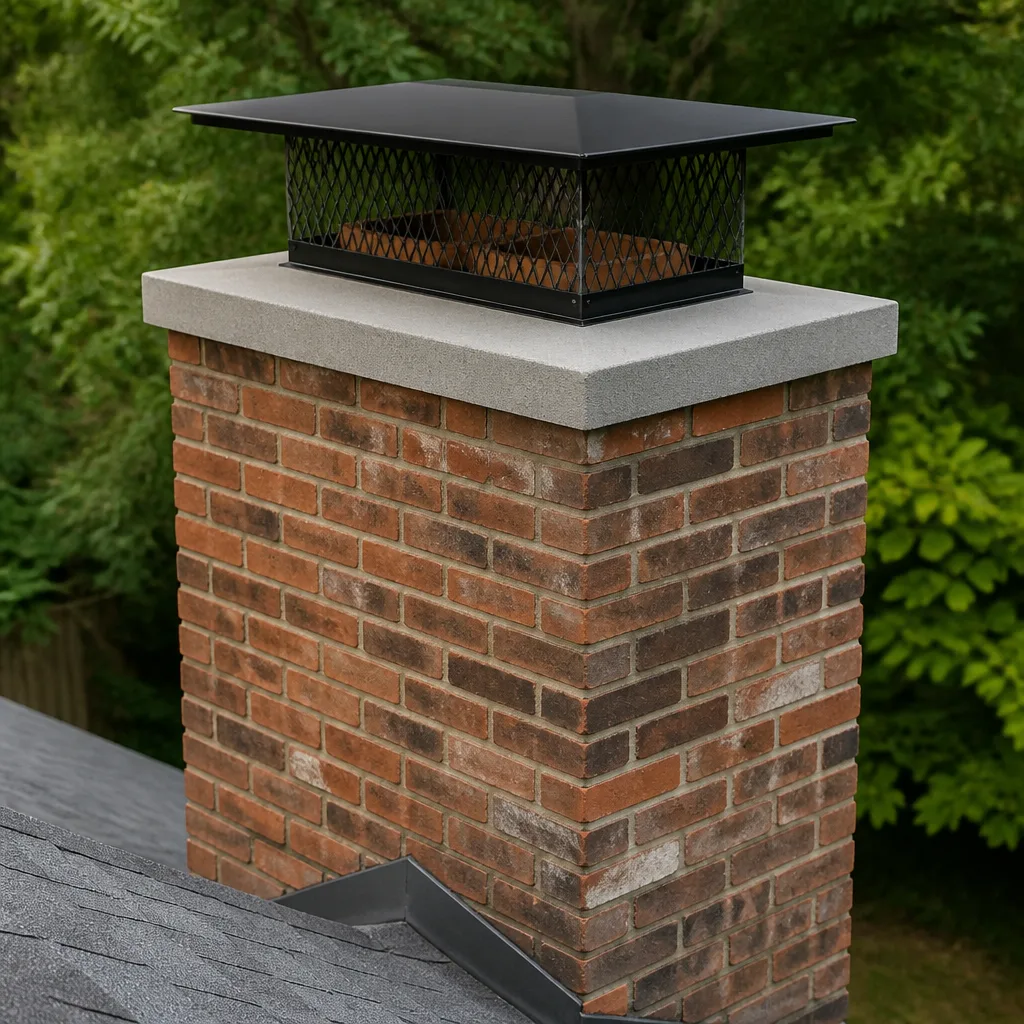 Caps & crowns
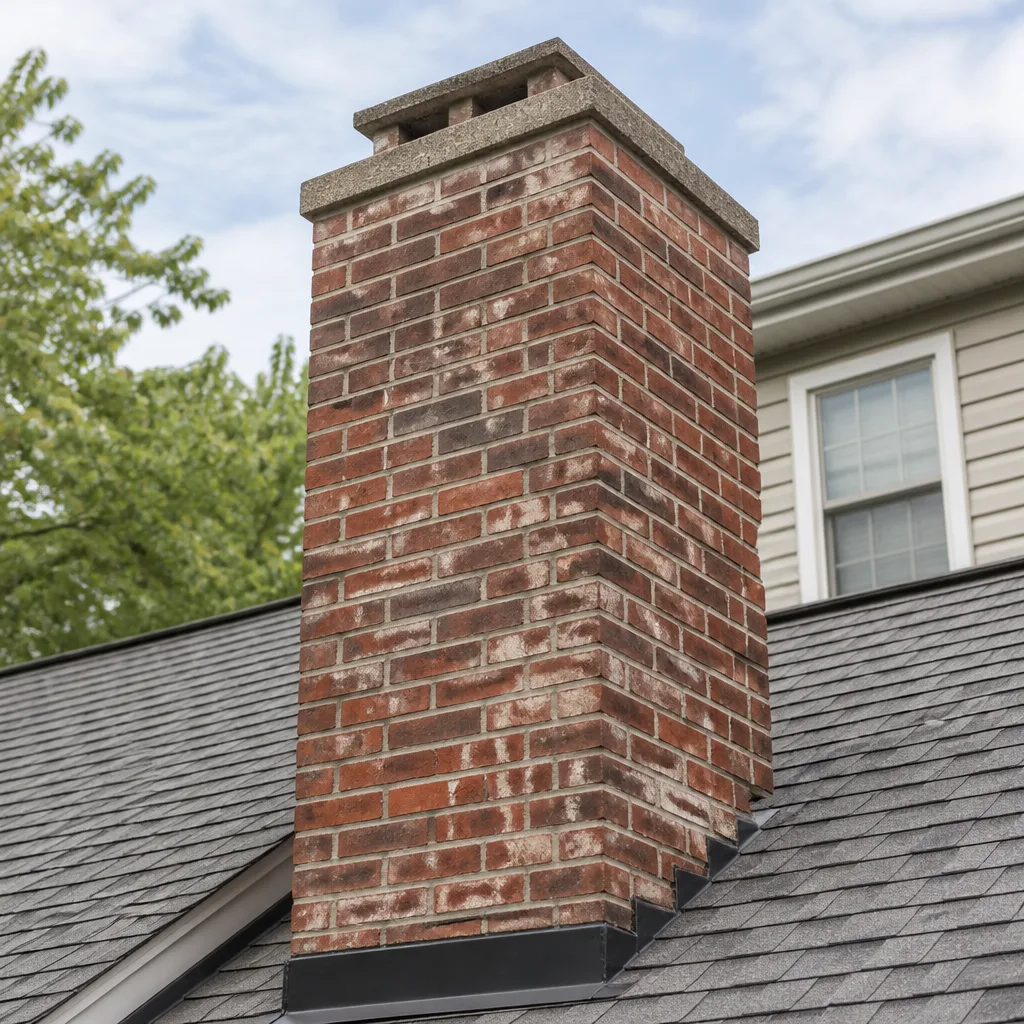 Masonry repair
Level 1 sweep and inspection to the NFPA 211 annual standard - flue, crown, cap, and flashing checked and photographed
Chimney sweep logs do not sweep chimneys. They loosen some creosote - which then falls where a brush and vacuum still have to collect it.
Chimney Sweep Maintenance Checklist for Yonkers Homeowners
The number one sign Yonkers homeowners miss isn’t smoke backing up into the living room or a campfire smell in summer. It’s a white, powdery stain called efflorescence creeping across the exterior brick. That chalky residue means water is already moving through your masonry, dissolving salts inside the brick and depositing them on the surface. Catch it early and you might spend a few hundred dollars on crown sealant. Ignore it through two or three Yonkers freeze-thaw winters and you’re looking at spalling brick, a deteriorated liner, and a repair bill that starts with a four. This checklist is built around what you can actually see, smell, and document from the ground, so a minor issue gets caught at the $200 stage instead of the $4,000 stage. We’ll walk through a month-by-month routine tied to Yonkers seasonal patterns, what to photograph and log, and the hard line between homeowner maintenance and work that belongs to a trained sweep.
Quick Answer
A chimney maintenance checklist for Yonkers homeowners boils down to this: inspect your chimney from the ground monthly during burning season, check for efflorescence, cracked mortar, or a damper that sticks, clear debris from the crown cap twice a year, and book a professional chimney sweep every 12 to 18 months or after every cord of wood burned. The goal isn’t just staying safe – it’s building a photo and date log so you catch water intrusion and creosote buildup before they become structural problems.
Styles & brands we work with
Table of Contents
- The Monthly Owner Inspection: What to Look For From the Ground
- Yonkers Seasonal Maintenance Routine: A Month-by-Month Plan
- How to Photograph and Log Your Chimney’s Health (and Why It Matters)
- Homeowner Tasks vs. Professional Chimney Sweep Work
- Red Flags: When ‘Monitor It’ Becomes ‘Stop Using the Fireplace Today’
- What a Professional Sweep Actually Includes in Yonkers
- Digital Chimney History: Tracking Repairs for Resale and Warranty
- Common Mistakes to Avoid
The Monthly Owner Inspection: What to Look For From the Ground
You don’t need a ladder for this. In fact, we’d rather you stay off the roof entirely. A monthly ground-level inspection catches more than most homeowners expect, because you’re looking for changes. A chimney that looked fine in October and shows a new hairline crack in November is telling you something specific about how your masonry responds to cold. Here’s a simple routine that takes five minutes during burning season:
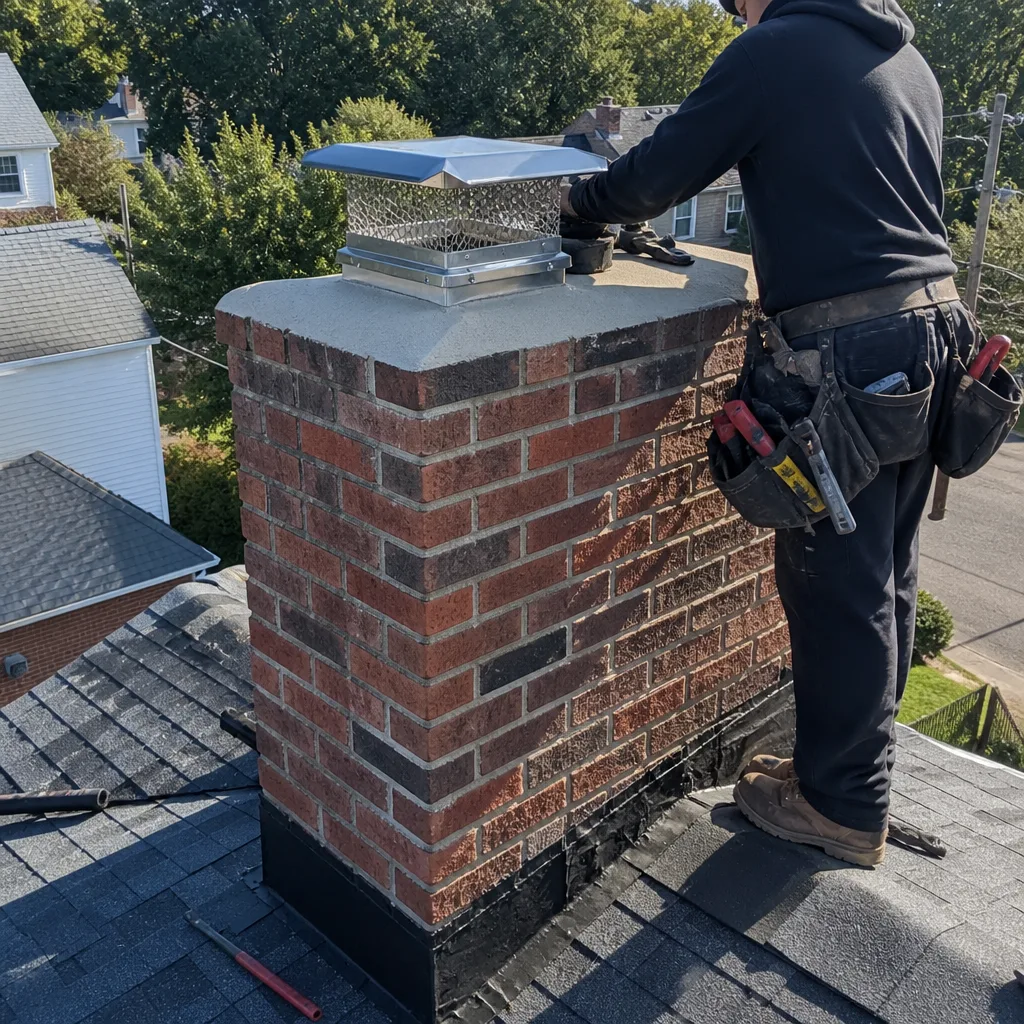
- Walk to the street or sidewalk and look at the full chimney from two angles. You’re checking the crown (the concrete cap on top), the mortar joints, and the brick faces. Look for any white staining (efflorescence), dark streaks, or bricks that seem shifted.
- Check the flashing from the ground where the roofline meets the chimney. Flashing is the metal strip that seals that junction. If it’s lifting or rust-stained, water is getting in. In Yonkers, where a single winter can bring twenty-plus freeze-thaw cycles, a small flashing gap expands fast.
- Open the damper and look up with a flashlight. You’re checking for visible creosote (the flammable tar buildup that makes chimneys a fire risk), any debris like leaves or nests, and whether the flue tiles look intact as far as you can see.
- Shine the light around the firebox. Look for cracked firebrick, mortar that’s crumbling out of the joints, or a white residue on the walls. That residue often means water is entering from above.
- Smell the fireplace with the damper closed on a humid day. A strong campfire odor when the fireplace hasn’t been used in weeks signals creosote buildup or poor drafting.
Do this on the first weekend of every month from October through March. In summer, a quarterly check is enough – but do check after every major storm, because Yonkers gets the kind of wind-driven rain that reveals flashing problems.
Yonkers Seasonal Maintenance Routine: A Month-by-Month Plan
Yonkers weather dictates the maintenance calendar. The Hudson River moderates temperatures slightly, but this area still gets freeze-thaw stress, heavy leaf drop, and the first cold snap almost always arrives before Thanksgiving. Here’s a practical month-by-month owner routine built around what actually happens in this climate:
October: First-Fire Preparation
- Schedule your chimney sweep in Yonkers now if you didn’t do it in spring. October is the busiest month, and waiting until the first cold night means you’re burning with whatever creosote accumulated last season.
- Check the damper opens and closes fully. A sticky damper now becomes a stuck-open damper in January, which means heat pouring out of your house all winter.
- Clear any visible debris from the crown cap if you have one and can reach it safely from a step ladder. Leaves and twigs on the crown hold moisture against the mortar.
- Test your carbon monoxide detector. A chimney that drafts poorly can push CO back into the house, and this is the cheapest safety check you’ll do all year.
November: Burn Season Begins
- Do your first monthly ground inspection after the first three or four fires. That’s when you’ll see how your chimney handles actual use.
- Watch for smoke entering the room when you first light a fire. A cold flue can back-puff briefly, but persistent smoke means a drafting or liner problem.
- Document anything unusual with your phone camera. Date-stamped photos from November become your baseline for comparison in February.
December through February: Peak Stress Months
- Continue monthly inspections, but use your nose more actively. A sharp, acrid smell during or right after a fire means creosote is building faster than it should – often because the wood isn’t seasoned or the fire isn’t burning hot enough.
- Watch the exterior brick after snow and ice. Freeze-thaw expansion is the single biggest cause of Yonkers masonry damage, and it shows up as new cracks or spalling (brick faces popping off).
- If you see water stains on the ceiling near the chimney after a storm, stop using the fireplace and call for an inspection. That’s not a monitor-it situation.
March and April: Post-Season Assessment
- This is the ideal time for a professional sweep in Yonkers. You’re done burning, the creosote has had all winter to accumulate, and a sweep in March or April means no residue sitting in your chimney through the humid Hudson Valley summer.
- Do a final seasonal inspection focused on what winter did. Look at the crown, the flashing, and the top few courses of brick.
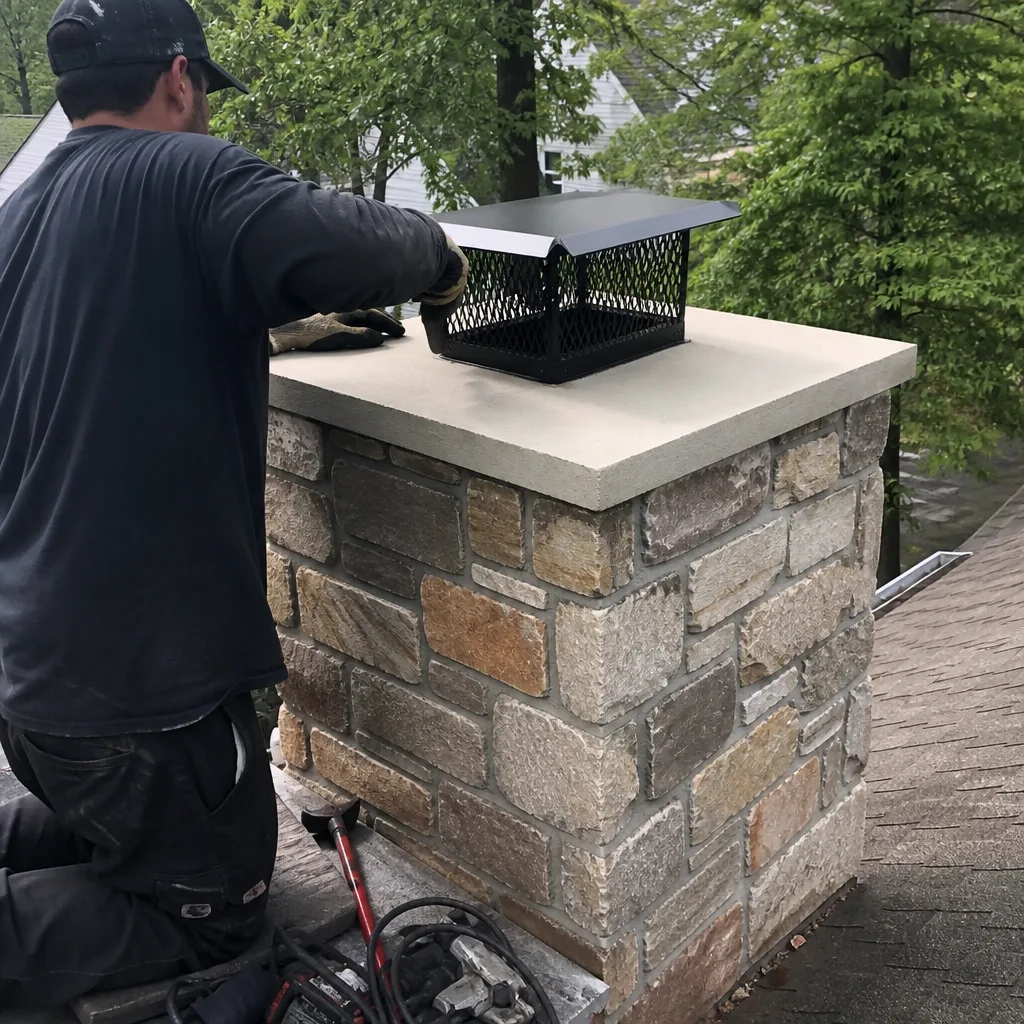
- Close the damper and consider a chimney cap if you don’t have one. A cap keeps out spring rain, birds, and the squirrel issues that start in April.
May through September: The Slow Season (Don’t Skip It)
- One inspection in June and one in September is plenty. You’re watching for water intrusion, not creosote.
- After heavy summer thunderstorms, check the flashing and crown from the ground. Yonkers summer storms bring intense downpours that expose any seal weakness.
- If you smell a strong chimney odor on a humid day, that’s moisture interacting with creosote. It’s not dangerous by itself, but it’s a signal worth logging – and it usually means sweeping is overdue.
How to Photograph and Log Your Chimney’s Health (and Why It Matters)
Your phone camera is the most powerful chimney maintenance tool you own. Here’s the problem with memory: by the time a chimney tech arrives, the crack has been there for months, and you can’t say with confidence whether it’s new or whether it was there last March. A simple photo log solves that. We recommend a habit we’ve seen work well for Yonkers homeowners, including many we serve through Hadley Chimney Yonkers home service area calls:
- Create a designated album on your phone called “Chimney.” Use it exclusively for chimney photos. That’s the entire organizational system.
- Photograph the same five things every single time: the full exterior chimney from the street, a close crop of the crown, the flashing junction on both roof sides, the damper from inside the firebox, and a straight-on shot of the firebox walls.
- Include the date in the filename or add a text caption. Phone photos are already date-stamped, but naming each one helps when you scroll back through a year of images.
- Take photos after any weather event that concerns you. After the first freeze, after a big snow melt, after a wind storm that dropped branches on the roof.
- Share the album with anyone who works on your chimney. The whole point is that you have a baseline. When a sweep or a mason sees a crack and you can show them a photo from eight months ago where that crack didn’t exist, the conversation changes. You have information, not just a problem.
This matters beyond repairs. If you sell your Yonkers home, a logged chimney history with dates and photos is a genuine selling point. It tells a buyer that the masonry was monitored, not neglected. And for warranty claims – whether that’s a liner warranty or a repair guarantee – dated photos answer the “when did this start?” question without relying on anyone’s memory.
Homeowner Tasks vs. Professional Chimney Sweep Work
There’s a clean line between what you can safely do yourself and what belongs to a certified sweep. The line moves depending on your roof pitch, your comfort on a ladder, and the specific condition of your chimney. But as a general rule for a typical Yonkers two-story colonial or a brick Tudor in Park Hill:
Safe Homeowner Tasks
- Ground-level visual inspections. You can learn to spot efflorescence, spalling brick, and shifting mortar from the sidewalk.
- Clearing debris from the crown cap. If you have a standard chimney cap and can reach it from a step ladder on level ground, removing leaves and twigs is straightforward. If your roof is steep or the chimney is more than one story up, skip it and let a sweep handle it.
- Testing the damper. Open, close, check for smooth movement. A damper that’s stiff or won’t seal is something to report, not something to force.
- Cleaning the firebox between uses. Shovel out the ash when it’s cold, leave about an inch of ash as an insulating bed for the next fire, and vacuum the hearth with a shop vac (never a household vacuum – fine ash destroys the motor).
- Checking your carbon monoxide and smoke detectors. Monthly during burn season. This is non-negotiable.
What Requires a Professional
- Anything involving the flue interior. Creosote removal is not a DIY project. A professional sweep uses rotary brushes, vacuums designed for fine particulates, and inspection cameras. More importantly, a certified sweep knows what the flue walls are supposed to look like – you don’t have that baseline.
- Liner inspection and chimney repair in Yonkers work. A cracked or deteriorated liner is often invisible from the firebox. It takes a camera and a trained eye.
- Crown repair or replacement. The crown is a critical water-shedding surface. DIY sealant jobs fail at a rate that makes them more expensive than doing it right the first time.
- Flashing repair. This is roofing work. Done wrong, it leaks. Done very wrong, it leaks behind the siding where you won’t see it for years.
- Gas fireplace service. A gas fireplace repair in Yonkers involves the burner assembly, the gas valve, and venting. A trained technician can test for leaks, inspect the thermocouple, and verify the burn is clean. This is not a homeowner project.
We’ve been called out more than once for a chimney where a homeowner attempted a liner patch or a crown sealant job using a kit from a hardware store. Those attempts usually cost more to undo than the original fix would have. Our position, as the team behind Hadley Chimney Yonkers, is simple: if a task requires a ladder on the roof or a tool you had to buy specifically for this job, call first and ask whether it’s worth attempting.
Red Flags: When ‘Monitor It’ Becomes ‘Stop Using the Fireplace Today’
Some chimney issues are slow-moving. Others require immediate action. Here’s the distinction, drawn from two decades of inspecting Yonkers chimneys:
Stop Using the Fireplace and Call Today
- Smoke backing into the room consistently. A brief back-puff on a cold flue is normal. Smoke that fills the room or lingers after the fire catches is a drafting failure, a blockage, or a liner problem. Carbon monoxide risk is real.
- A strong chemical or burning-plastic smell during a fire. This can indicate a liner crack allowing heat to reach combustible materials around the chimney chase.
- Water actively dripping into the firebox during or after rain. This is not a sealant-level fix. Active water means the crown, flashing, or masonry has failed, and the water is moving through your chimney structure.
- Visible daylight through cracks in the flue when the damper is open. If you can see gaps in the flue tiles, the liner is compromised.
- Bricks falling from the chimney or a visible lean. Structural instability is not something to document and revisit in a month.
Monitor and Document, Then Address Within the Season
- New efflorescence. Document it, check for other water-entry signs, and schedule an inspection. This is the early-warning system, not the emergency itself.
- A sticky damper. Note it, but don’t force it. A sweep can lubricate or adjust most dampers during a routine visit.
- Minor mortar cracks under 1/8 inch. These are normal in Yonkers given freeze-thaw cycling. They matter, but they’re not an emergency. Photograph and track them.
- A creosote smell on humid days. This means a sweep is due. It doesn’t mean the house is about to catch fire, but the risk increases the longer it goes unaddressed.
If you’re ever unsure which category your issue falls into, call (914) 233-3156 and describe what you’re seeing. Our team can usually help you determine over the phone whether this needs a visit this week or can wait until your next scheduled sweep.
What a Professional Sweep Actually Includes in Yonkers
A proper chimney sweep is not a guy with a brush. The difference between a basic sweep and a thorough inspection matters, especially in older Yonkers housing stock where chimneys have seen sixty, eighty, or a hundred years of Hudson Valley weather. Here’s what a full professional service should include when you book a chimney sweep in Yonkers:
- A full flue inspection with a camera. The sweep should run a camera the full length of the flue and show you the footage. If someone tells you there’s a problem but can’t show you a photo, get a second opinion. That’s the standard we set at Hadley Chimney Yonkers, where before-and-after photo documentation is part of every visit.
- Mechanical creosote removal appropriate to the buildup level. Light soot needs a brush. Glazed creosote (the hard, tar-like substance that forms from cool, smoldering fires) may require rotary chains or a chemical treatment. Using the right method matters – a brush alone won’t remove glazed creosote, and an aggressive method can damage older tile liners.
- Firebox and smoke chamber cleaning. Creosote accumulates in the smoke chamber above the damper, not just in the flue. A thorough sweep addresses both.
- Damper check and adjustment. The damper should open fully, close fully, and seat properly. A sweep will also check for rust or warping.
- Visual crown and flashing check from the roof. This is where roof access matters. A sweep on the roof sees exactly what’s happening with the crown, the cap, and the flashing junction.
- A written report. You should walk away (or receive digitally) a written summary of what was found, what was done, and any recommendations. If the report includes a recommended repair, it should also include a written price before any work is scheduled. That’s the standard we’ve held since our founding in 2003, and we don’t see a reason to lower it.
Frequency in Yonkers: sweep after every cord of wood burned, or every 12 to 18 months, whichever comes first. If you burn regularly through the Hudson Valley heating season (November through March), annual service is the right schedule. If you use the fireplace occasionally for ambiance, 18 months is typically sufficient.
Digital Chimney History: Tracking Repairs for Resale and Warranty
Most Yonkers homeowners couldn’t tell you when their chimney was last swept, what the previous owner did to it, or whether the liner has ever been replaced. That information gap becomes expensive. Here’s a simple system for building a chimney history that serves you at resale, at tax time, and when a warranty claim requires proof:
What to Track
- Every professional visit. Date, company name, what was done, and the written report or invoice. File digitally, even if it’s just a photo of the paper invoice.
- Every repair, with before-and-after photos. A liner replacement documented with photos and a material brand (like DuraFlex or HeatShield) is far more credible to a future buyer or a warranty department than a one-line invoice entry.
- Every DIY task you completed. Cleared the cap in November, replaced the damper handle, patched a small mortar joint. Log it with a date and a photo.
- Wood purchases. If you buy seasoned hardwood from a particular supplier, note the date and amount. This helps you track your burn rate and predicts when the next sweep is due.
Why This Matters in Yonkers Specifically
Yonkers has a large stock of pre-war homes with brick chimneys that were built before modern liner materials existed. Many of those chimneys have been lined, relined, or partially repaired over the years. If you’re the third owner of a 1920s home in the Ludlow neighborhood, your chimney has a history that nobody remembers. Documenting what you’ve done – even from the day you bought the house – means that when a liner fails or a crown cracks, you’re not starting from zero. And when it’s time to sell, a homeowner who can show a dated, photographed maintenance log demonstrates the kind of care that Yonkers buyers respond to.
Common Mistakes to Avoid
- Assuming no smoke means no creosote. Creosote builds up even when the fireplace drafts perfectly. The only way to know your buildup level is a camera inspection and professional cleaning.
- Burning unseasoned wood. Wet or green wood burns cooler and produces significantly more creosote. The moisture content of your wood matters more than the type of wood. Seasoned hardwood (split and stacked for at least a year) burns hot and clean.
- Ignoring a sticky damper. A damper that won’t close fully lets heated air out of your Yonkers house all winter. That’s a real heating cost, month after month, and a five-minute fix when a sweep is already there.
- Using the fireplace when the chimney cap is damaged or missing. Without a cap, rain, birds, and squirrels get in. In Yonkers, where spring nesting is aggressive, a missing cap often means a nest in the flue by May, which is a blockage and a fire hazard in one.
- Treating efflorescence as cosmetic. That white staining means water is moving through the brick. It’s never just a surface issue, and ignoring it lets the underlying intrusion get worse through every freeze-thaw cycle.
- Going years between professional inspections because the fireplace “works fine.” The failure you can’t see – a cracked liner, deteriorated mortar behind the tile face, a rusted-out damper assembly – is the one that costs the most to fix. Regular camera inspections catch those problems early.
See the difference
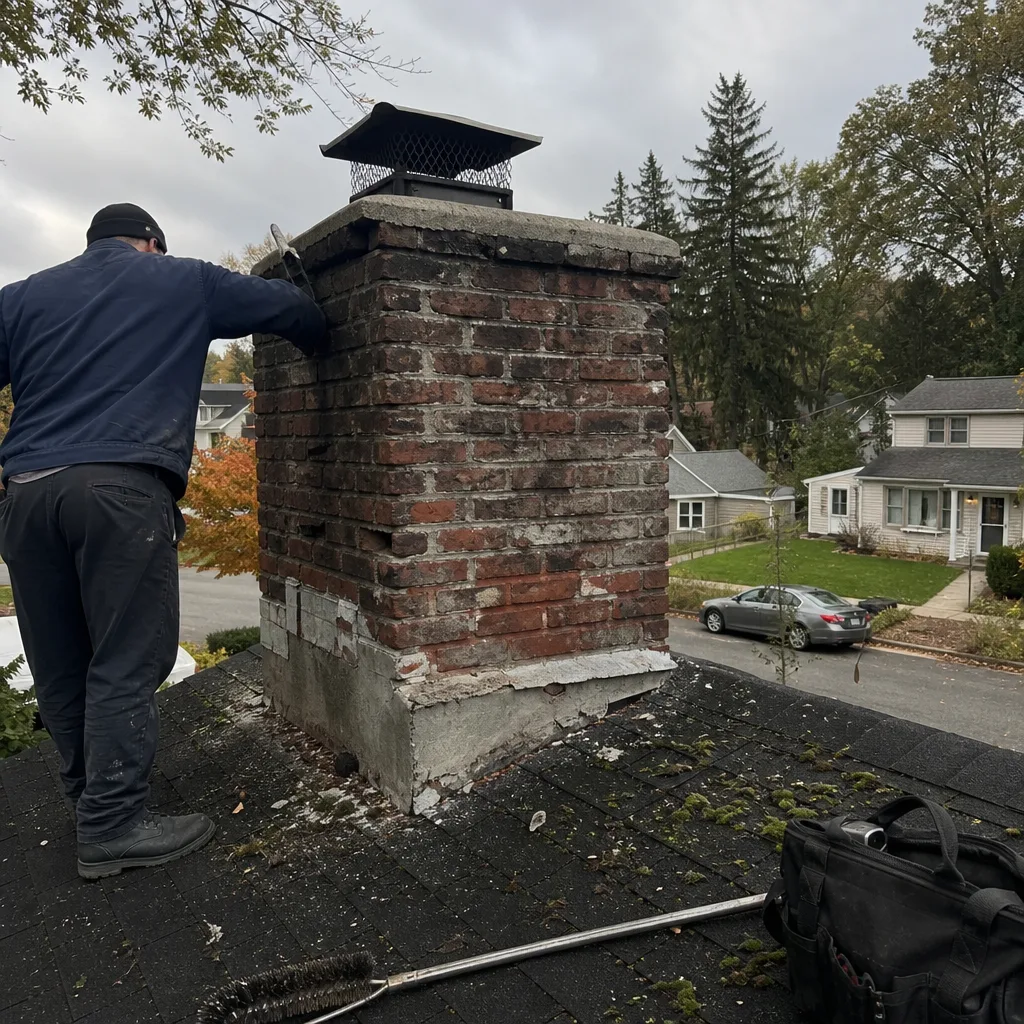 Before
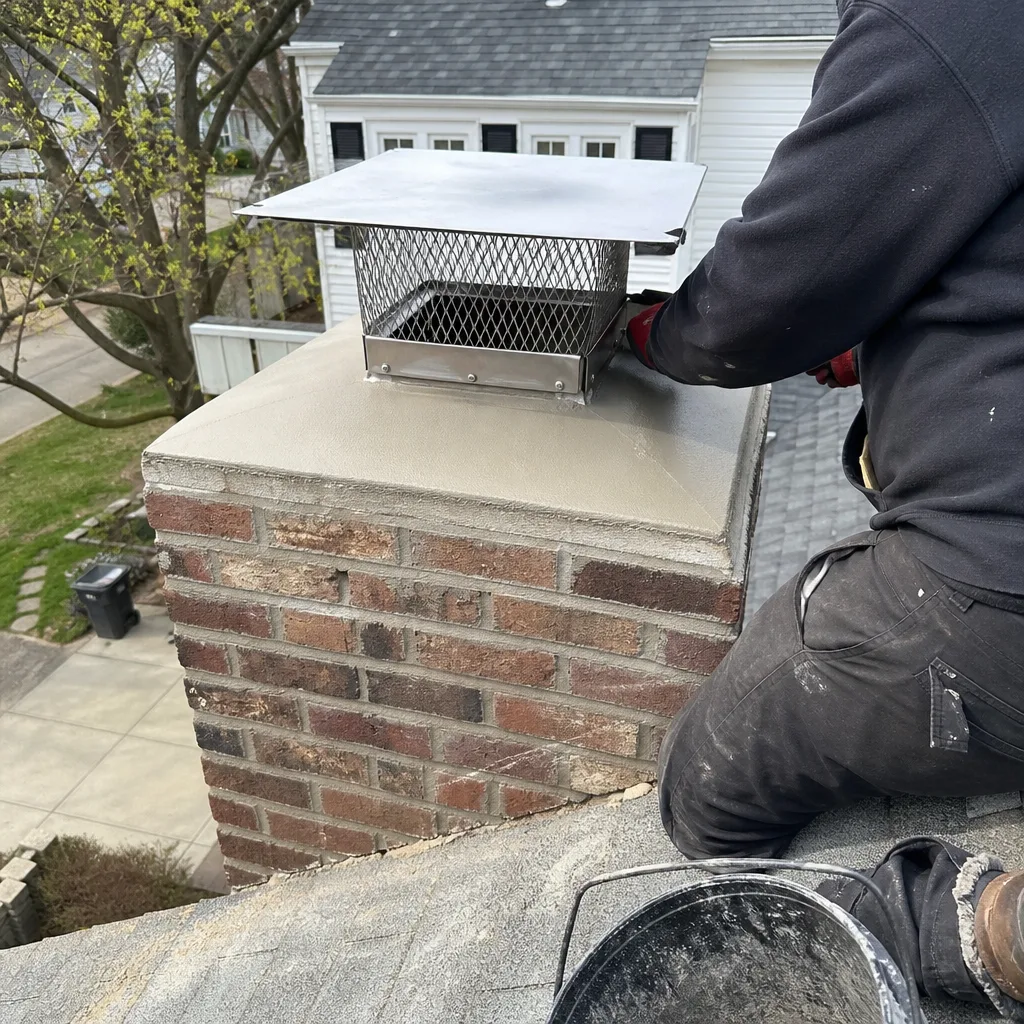 After
After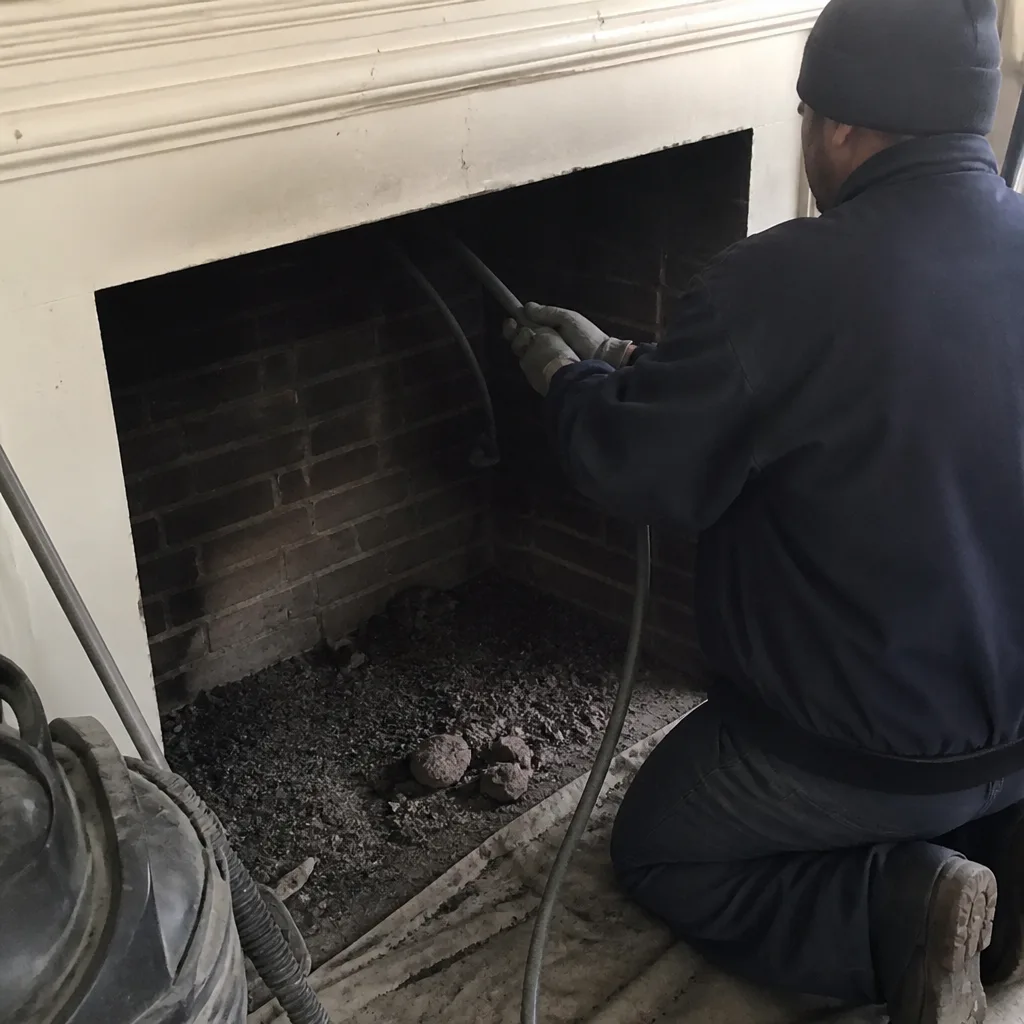 Before
 After
After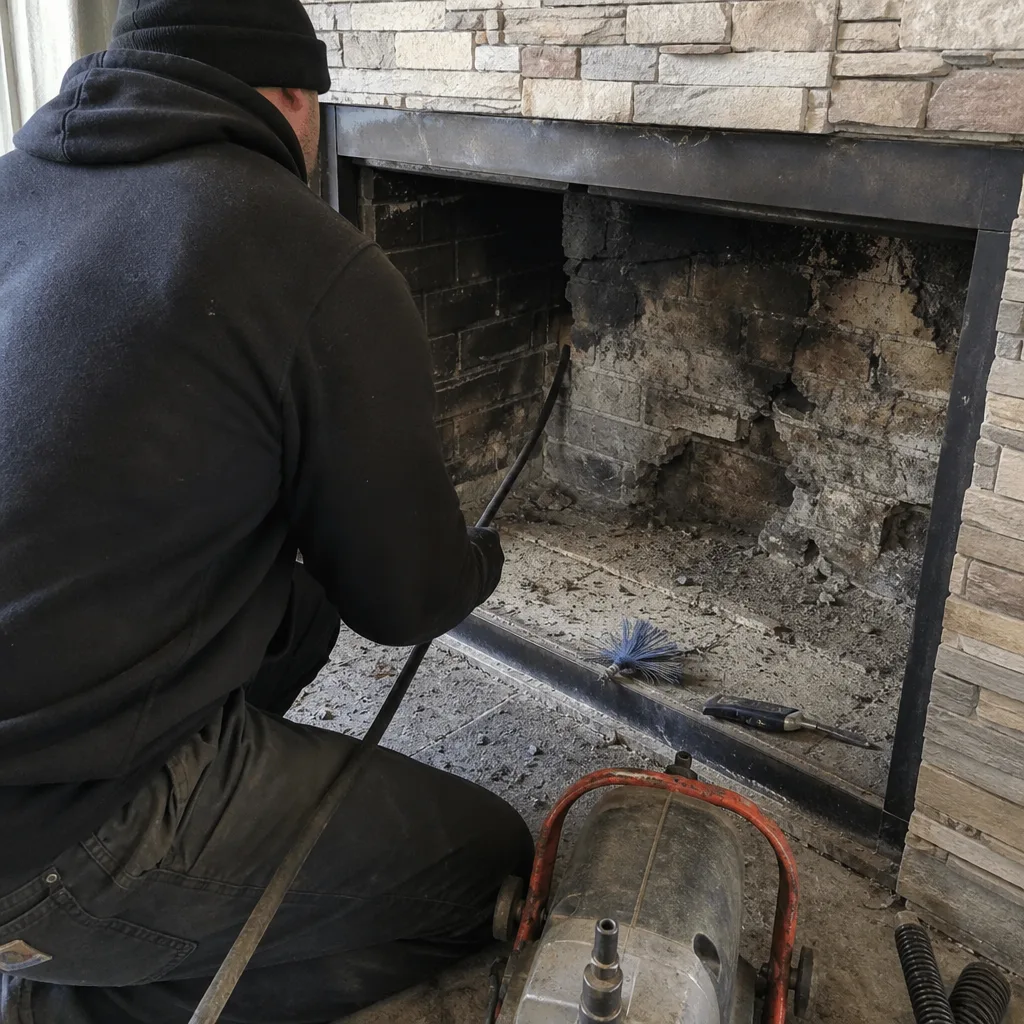 Before
 After
AfterWhen to Call a Professional
Call if you’ve seen efflorescence you can’t explain, if smoke backs up into the room, if you smell creosote strongly on humid days, or if it’s simply been more than 18 months since your last sweep. Call if a storm dropped branches near your chimney, if you’re buying a Yonkers home with an unknown chimney history, or if you’re selling and want a documented inspection before listing. Call if you have a gas fireplace that’s burning orange instead of blue, making unusual noises, or producing a smell – gas fireplace repair in Yonkers work is specialized. Hadley Chimney Yonkers offers free estimates on chimney work across Yonkers and the surrounding area – call (914) 233-3156 and a live person answers, 24/7.
Frequently Asked Questions
Every 12 to 18 months, or after every cord of wood burned, whichever comes first. Homes that burn regularly through the Hudson Valley heating season (roughly November through March) should schedule annual service in spring or early fall.
A standard chimney sweep in Yonkers typically runs $180 to $350 depending on the flue length and creosote level. A camera inspection, if not included in the sweep, adds $100 to $200. Homes of the same size and vintage can vary significantly, so get a written price before the work starts.
Not always. A camera inspection should show you exactly what the liner looks like. If the tech can’t show you the damage, get a second opinion. Small cracks in clay tile liners can sometimes be addressed with HeatShield ceramic repair compound or a stainless DuraFlex liner, depending on severity. Major deterioration usually means a full reline. You should see the problem before you pay for the fix.
Creosote accumulates and becomes a fire risk, water penetrates the masonry and accelerates freeze-thaw damage, and minor mortar cracks widen into structural issues. A chimney that would have cost $200 to sweep and inspect can become a $4,000 reline and masonry repair in three to five years of neglect.
You can clean the firebox and clear the crown cap, but the flue interior requires a trained professional. Creosote removal requires proper brushes, containment, and a camera inspection afterward. A DIY flue cleaning often leaves the worst creosote in place and gives you false confidence that the chimney is safe.
Ask whether the sweep includes a camera inspection, whether you’ll receive a written report, and whether the price is confirmed before work begins. A sweep who can’t answer those three questions clearly isn’t operating to a standard you should accept. At Hadley Chimney Yonkers, every visit includes photo documentation, a written price before work starts, and a 365-Day Done Right Promise on every repair, backed by a free second visit if the repair fails.
The Bottom Line
A chimney maintenance checklist for Yonkers homeowners works best when it’s built around awareness, not anxiety. You are the first line of detection: the homeowner who notices efflorescence in October, photographs it, and calls for an inspection has a small crown repair. The homeowner who doesn’t look until the bricks start popping off has a masonry rebuild. The difference is usually five minutes a month and a phone camera. Book a professional sweep every 12 to 18 months, keep a digital log of what’s done and when, and call (914) 233-3156 the moment something doesn’t look right. That specific combination, maintained consistently, is what keeps a Yonkers chimney safe and a repair bill small.
Written by Cory Mitchell, Owner at Hadley Chimney Yonkers, serving Yonkers since 2003.