
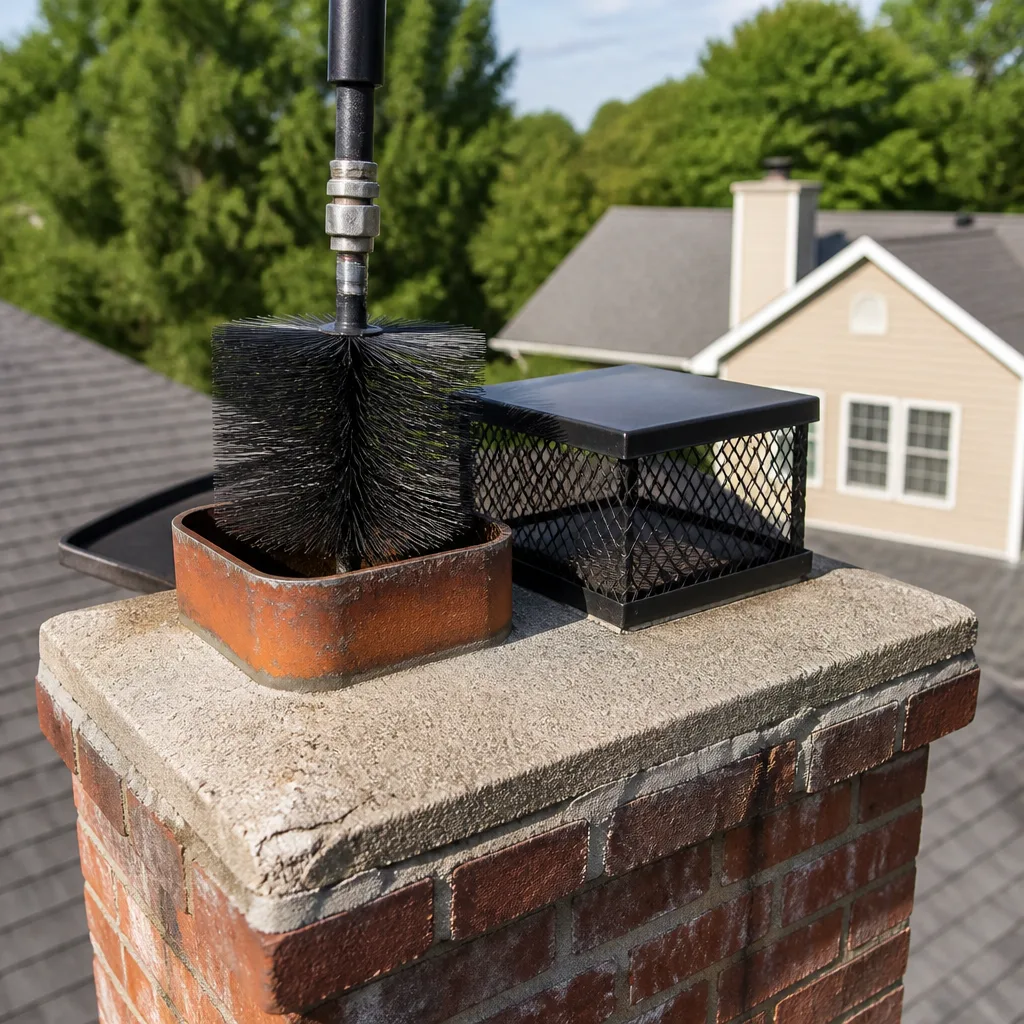
 Sweep & inspection
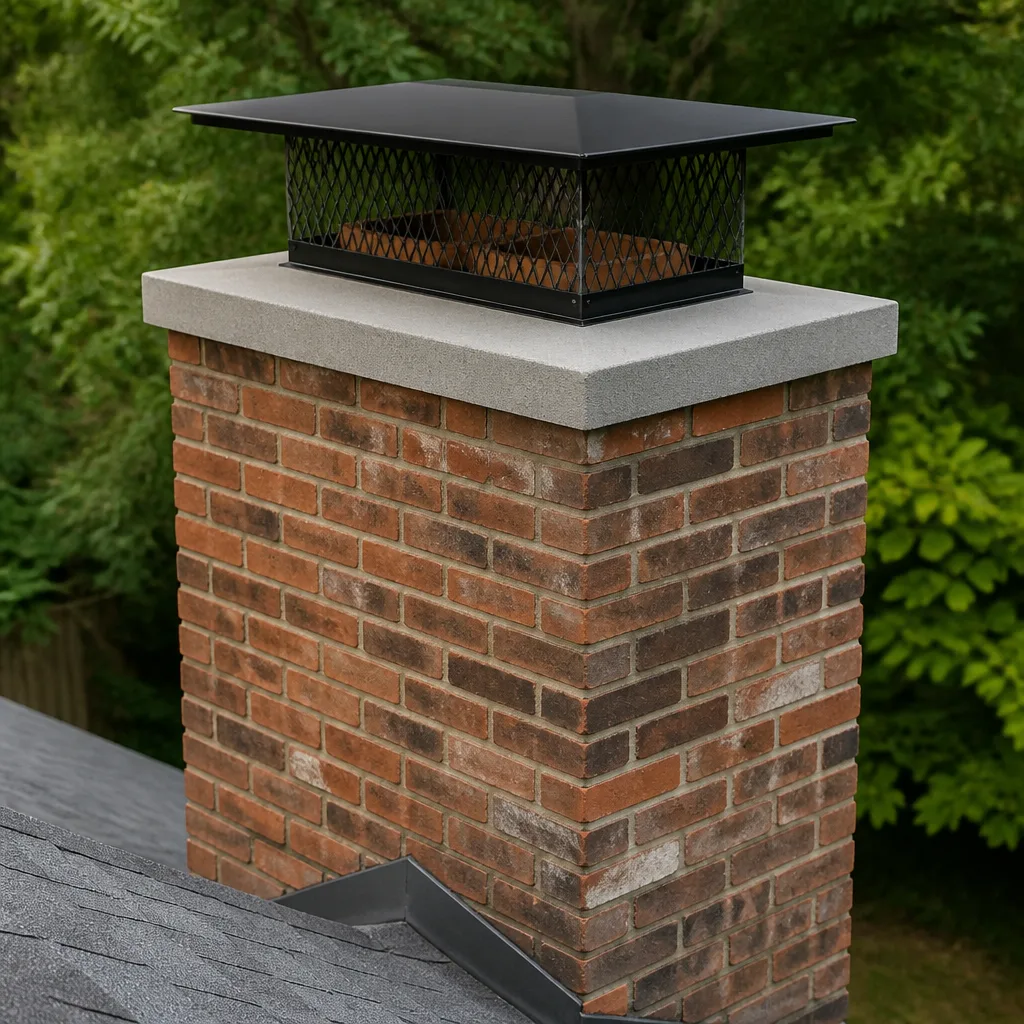 Caps & crowns
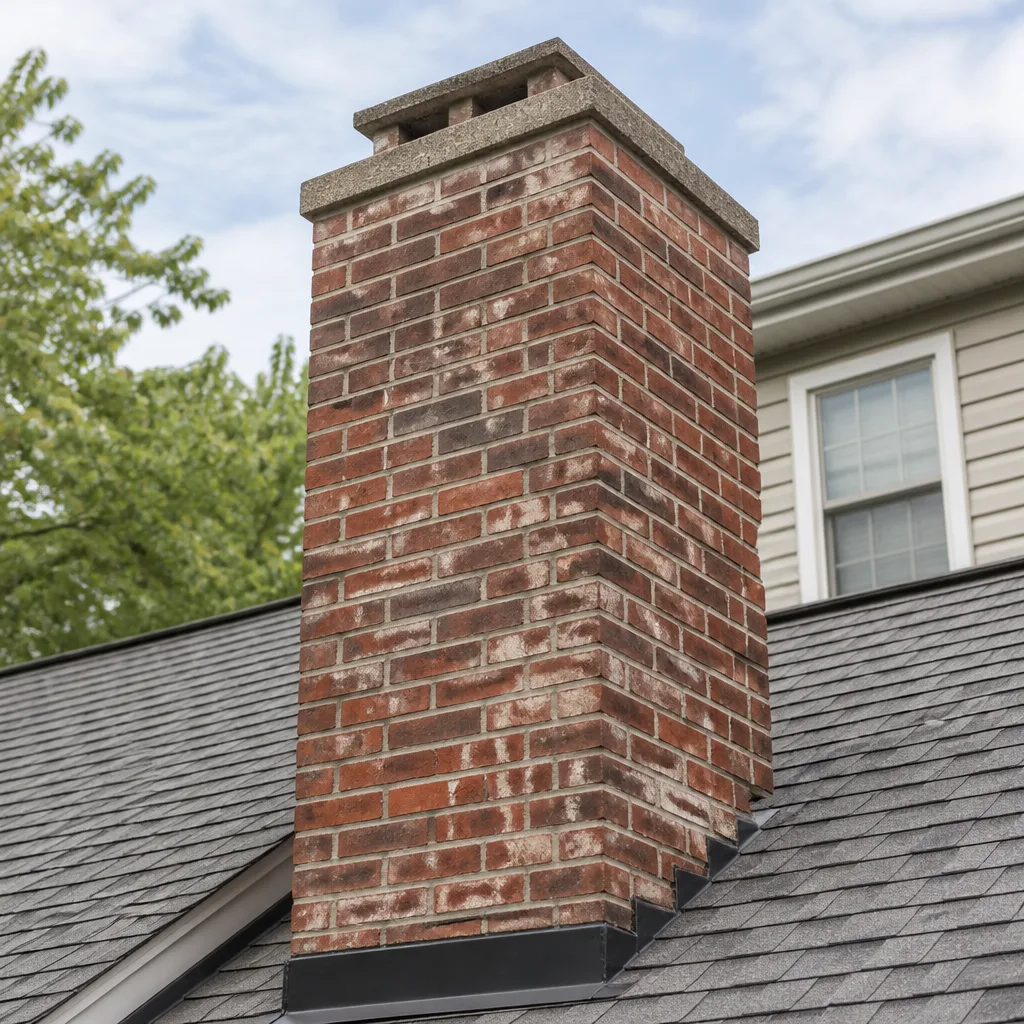 Masonry repair
Level 1 sweep and inspection to the NFPA 211 annual standard - flue, crown, cap, and flashing checked and photographed
Chimney sweep logs do not sweep chimneys. They loosen some creosote - which then falls where a brush and vacuum still have to collect it.
DuraFlex Chimney Cap Installation: The Yonkers Owner’s Guide
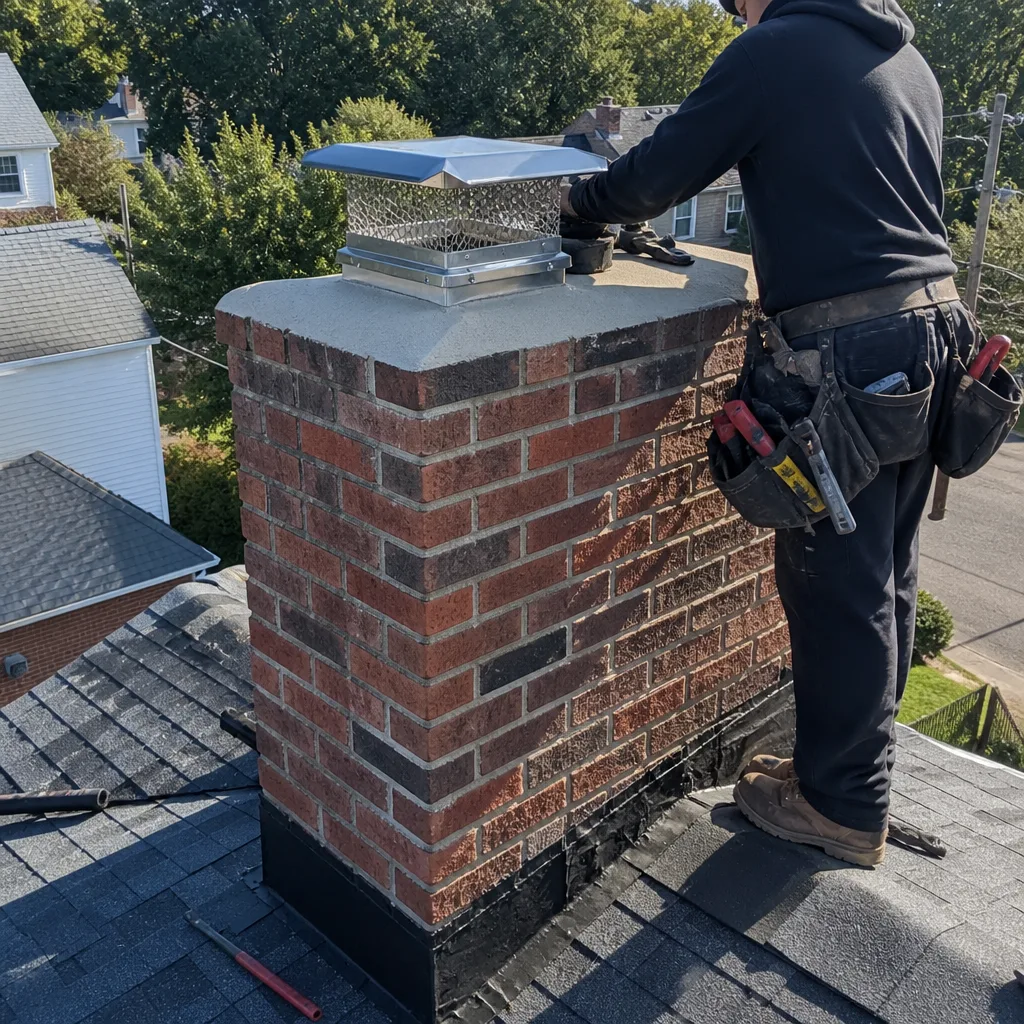
We stock and install DuraFlex-compatible chimney caps across Yonkers, with most installations running $225 to $475 including the cap, mounting hardware, and labor. If you’re calling about a cap that’s rusted through, blown off in a storm, or letting rain pour down your flue, we can usually get a technician to your home within a few days, not weeks. Most Yonkers homeowners discover the problem the hard way: water staining on the ceiling near the chimney, a damp smell in the firebox, or finding pieces of corroded metal in the yard after a nor’easter rolls through.
Here’s the reality with DuraFlex caps: the cap itself rarely fails first. What fails is the connection between the cap and the liner, or the cap’s screen mesh, which corrodes in Yonkers’ freeze-thaw cycles and lets moisture, embers, and animals into the flue. Cory Mitchell and our crew see this constantly in neighborhoods from Park Hill to Ludlow: a cap that looked “fine” from the ground but is quietly letting water eat away at the liner underneath.
Which DuraFlex Models This Applies To
DuraFlex makes flexible chimney liner systems, and their caps come in two primary series: the standard round cap (sized to the liner’s inner diameter, typically 4″ through 10″) and the stainless steel “DFS” series designed for their aluminum and stainless flex liners. The most common compatibility gotcha we run into: homeowners order a cap based on the flue tile’s outer measurement, but DuraFlex caps mount to the inner diameter of the liner itself. A 6″ DuraFlex liner takes a 6″ cap, not the 8″ or 9″ cap the old terra cotta flue might suggest.
If you’re not sure which DuraFlex liner you have, look for the manufacturer’s label on the liner’s top edge where it exits the chimney, or check the paperwork from your original installation. We also keep a reference of DuraFlex part numbers on our trucks, so our technicians can often identify the correct cap by measuring the liner stub and matching the existing termination plate pattern. One note: we are an independent chimney service company in Yonkers, not a DuraFlex affiliate, but we install their caps and liners regularly because they hold up well in our climate when installed correctly.
Styles & brands we work with
Signs Your DuraFlex Chimney Cap Installation Is Failing
- Water in the firebox or a damp smell after rain. A failed cap or a loose termination plate lets water track down the inside of the liner and pool at the base of the chimney. This is the #1 sign we see in Yonkers, especially after the spring thaw.
- Visible rust or holes in the cap’s screen mesh. The mesh is the first thing to corrode once the cap’s protective coating wears thin. In Yonkers’ coastal-influenced air, that process accelerates, especially on older galvanized caps rather than stainless steel.
- You hear animals in the chimney or see nesting debris. A cap with a torn or missing screen is an open invitation for squirrels, starlings, and raccoons. We’ve pulled nests out of flues in the Lawrence Park area that completely blocked draft and sent smoke back into the living room.
- The cap is loose or tilted on the flue. High winds off the Hudson bend cheap mounting brackets over time. A tilted cap lets rain enter at an angle that catches the liner seam, which is exactly where you don’t want moisture.
- Drafting problems that weren’t there before. If your fireplace starts smoking back or your furnace drafts erratically, a partially blocked or damaged cap is a likely culprit. The cap’s job is to keep things out while allowing proper airflow, and when it fails, both functions suffer.
See the difference
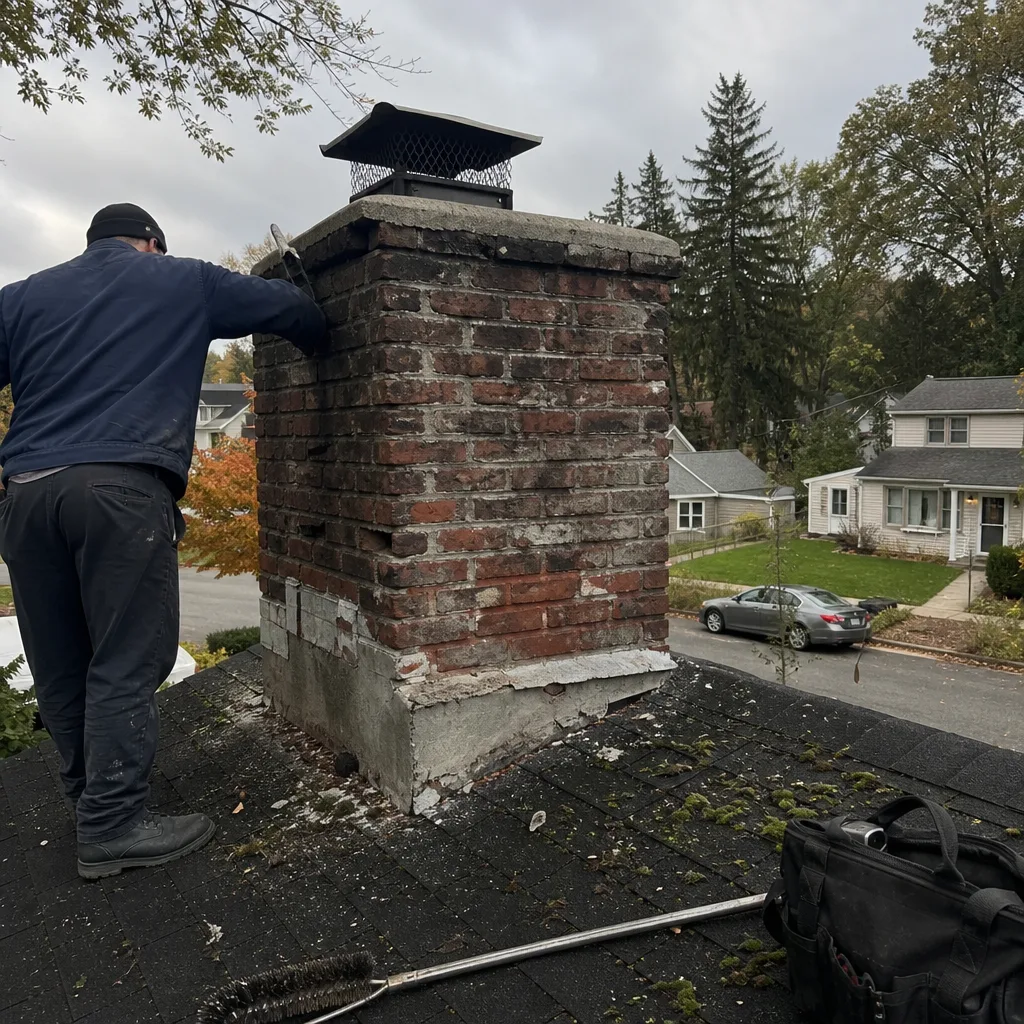 Before
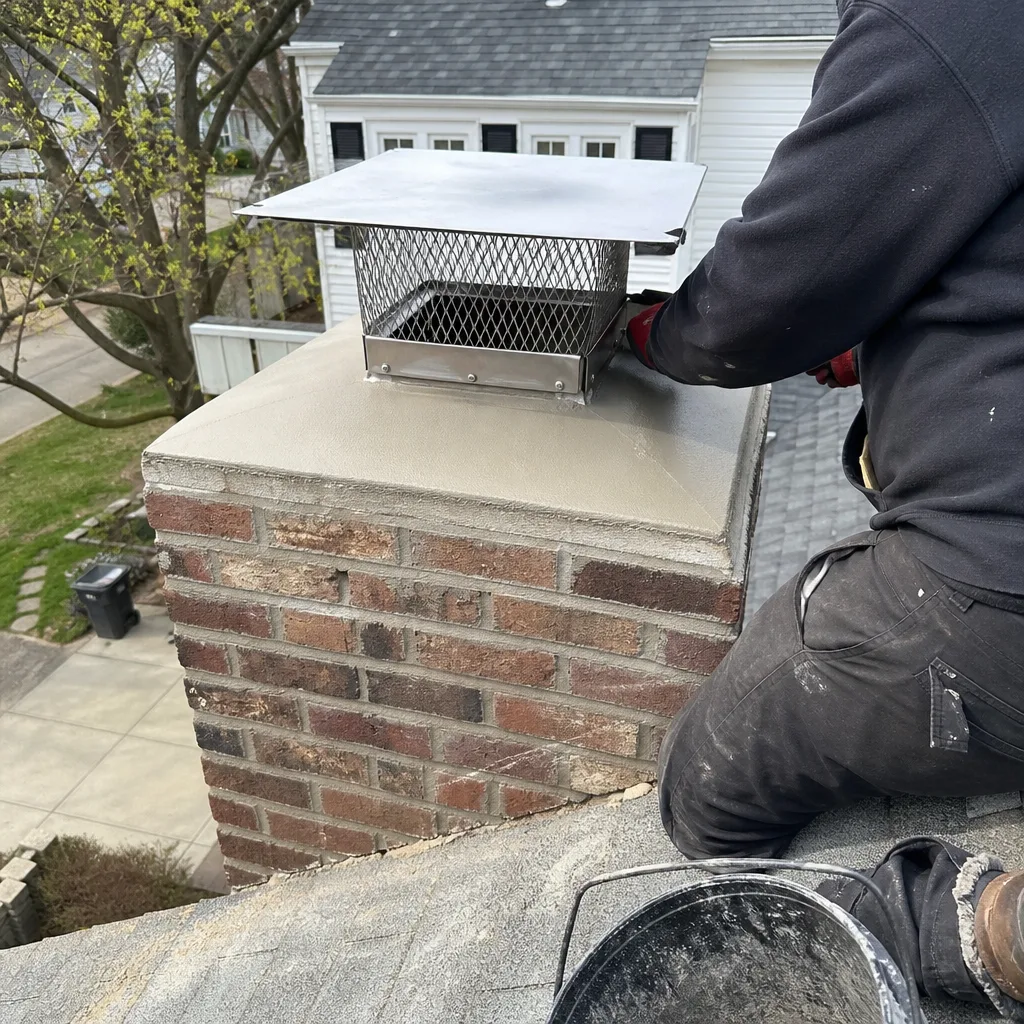 After
After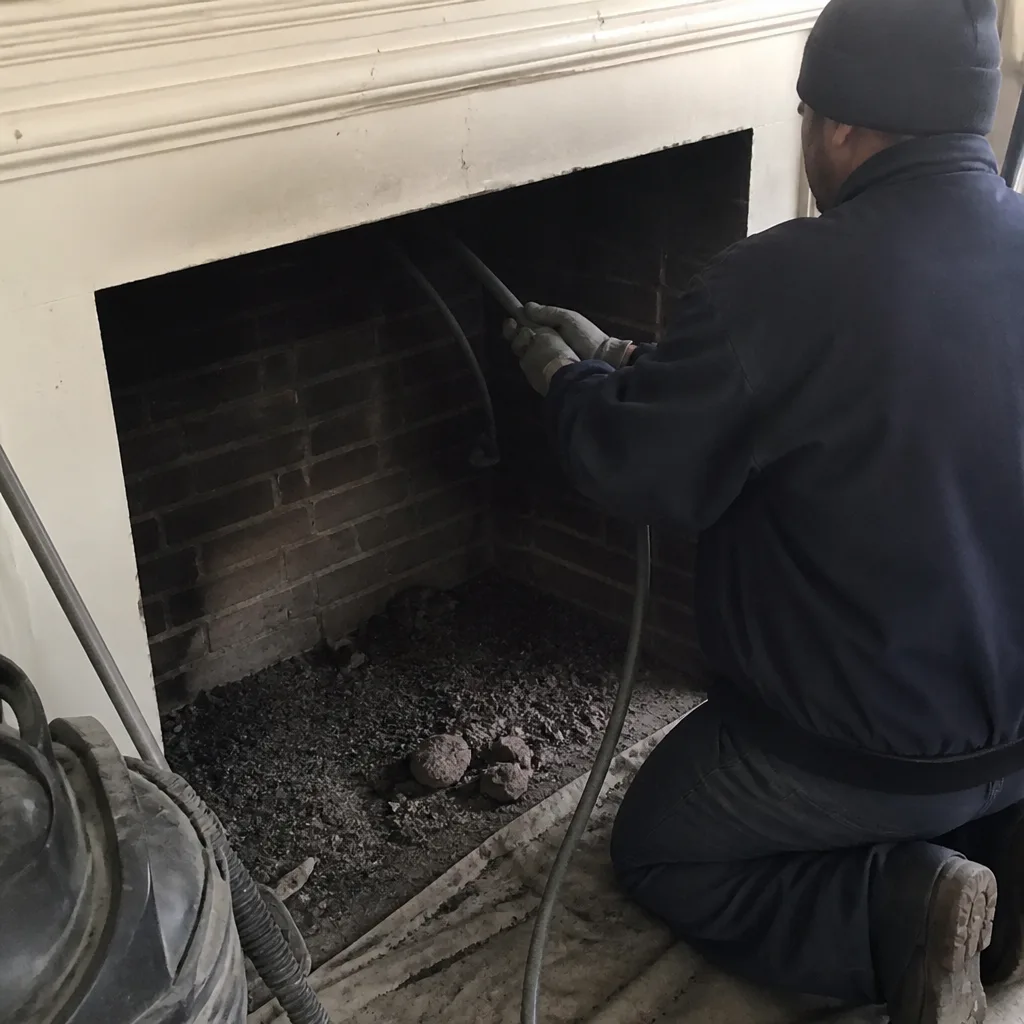 Before
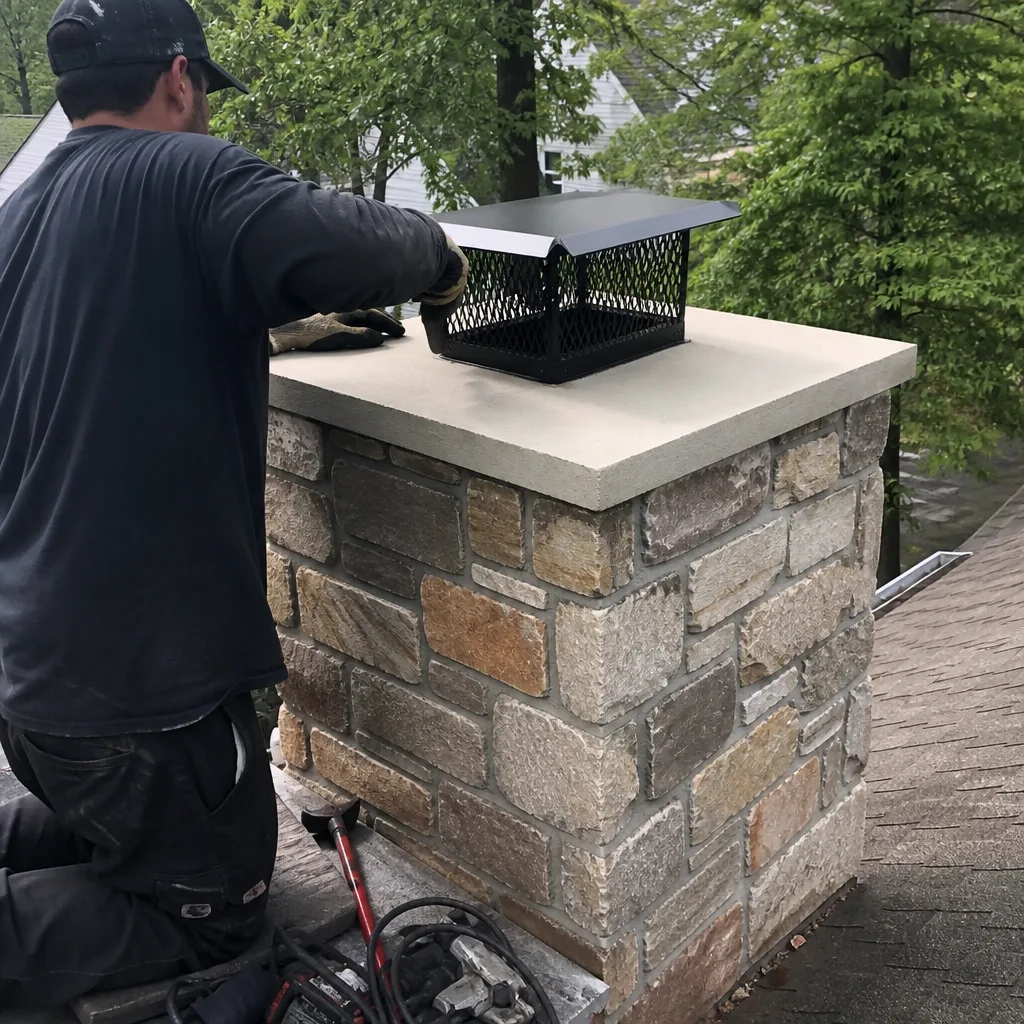 After
After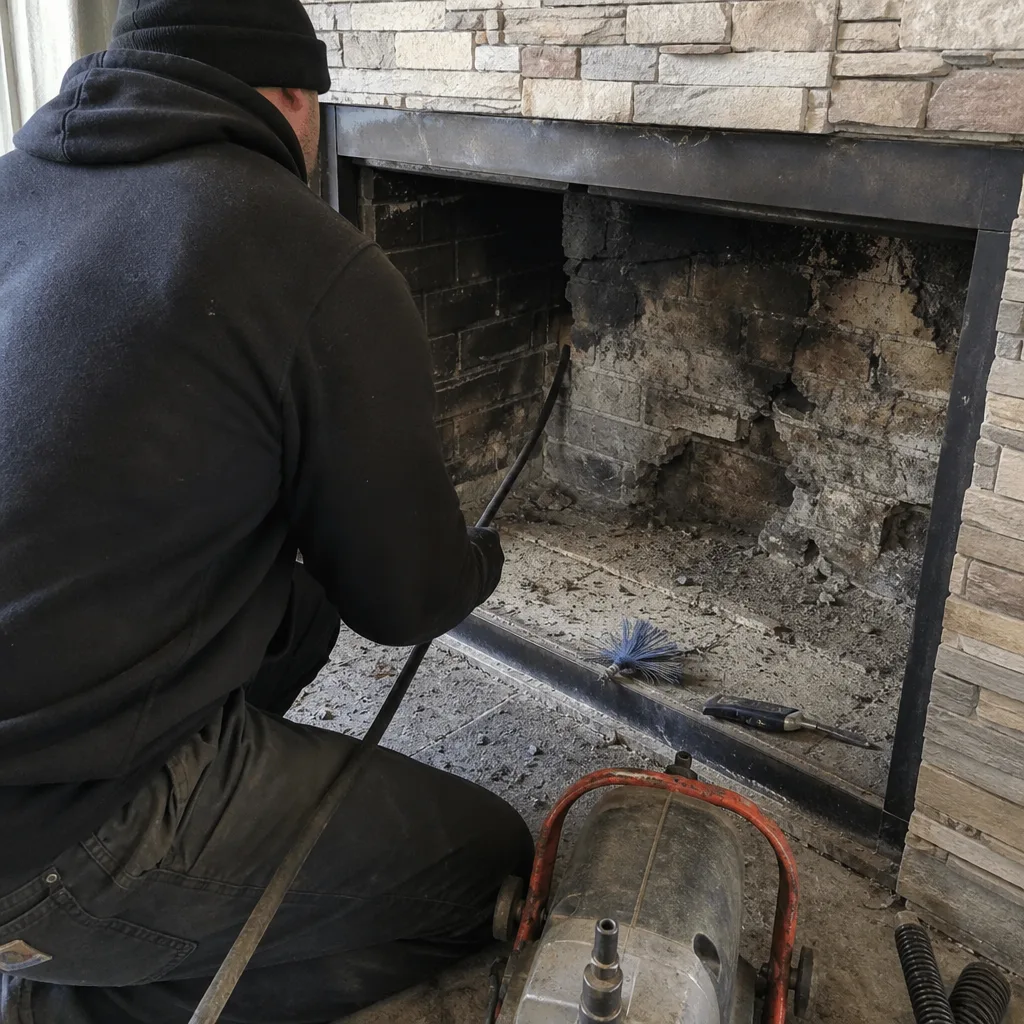 Before
 After
AfterReplacement Cost & What’s Included
In Yonkers, a DuraFlex-compatible chimney cap replacement typically costs between $225 and $475 installed. The range comes down to three things: the liner’s diameter (larger caps cost more), whether the existing termination plate can be reused or needs replacement, and roof access difficulty. A straightforward one-story chimney in a neighborhood like Lincoln Park will land on the lower end; a steep roof or a two-story flue in a historic home in Park Hill will run higher.
Here’s what every installation includes: the cap itself (stainless steel or galvanized, depending on your liner type and budget), new mounting hardware, and a full visual check of the liner’s top edge where the cap seats. We give you a written price before any work starts, so there’s no surprise when the bill arrives. And like every repair we do, the installation carries a written guarantee and a free second visit if anything fails within 365 days. That’s not a promo, it’s how we’ve operated since 2003.
DIY or Call Us?
Replacing a chimney cap means working on the roof, and that’s where the risk lives. The cap itself isn’t under spring tension or electrical load, but getting to it requires ladder work and balancing on a surface that’s often wet, sloped, or both. Yonkers roofs get slick with moss and condensation, especially on the north-facing slopes in spring. If you’re not comfortable on a ladder with both hands free for tools, don’t get up there.
What you can safely do from the ground: check for visible rust or tilt using binoculars, and confirm whether water is entering the firebox after rain. If you see damage or want a professional assessment, call us at (914) 233-3156. We’ll send a technician who arrives in a tracked window, shows you before-and-after photos from the roof, and gives you a written price before touching anything. And if we see a cap that’s still got life left in it, we’ll tell you that too. If I wouldn’t leave it on my own fireplace, I’m not leaving it on yours.
FAQs
A stainless steel DuraFlex cap typically lasts 10 to 15 years in the Yonkers area, while galvanized caps often fail in 5 to 8 years due to the combination of freeze-thaw cycles and moisture-heavy air from the Hudson. The screen mesh is almost always the first component to corrode, even when the cap’s dome still looks solid from the ground. Call (914) 233-3156 for a roof-level inspection if your cap is approaching those ages.
In most cases, replacement is more cost-effective than repair. Once the screen mesh is torn or the mounting brackets are corroded, the cap’s weather protection is compromised in ways that patching can’t reliably fix, especially with Yonkers’ winter cycles. We’ll give you an honest assessment with photos, and if a simple re-seating or hardware swap will buy you more years, we’ll tell you that instead.
A standard DuraFlex cap replacement takes 45 to 90 minutes on-site, including the ladder setup, removal of the old cap, installation of the new cap and hardware, and a photo documentation of the finished work. You’ll have the photos in hand before we leave, so you can see exactly what was installed on your roof.
Our trucks carry a range of standard DuraFlex-compatible caps in the most common liner sizes, plus termination plates and mounting hardware. If your chimney needs a non-standard size or a specific finish, we can source it quickly through our supplier network and schedule the install once it arrives. Call (914) 233-3156 and we’ll check inventory while you’re on the phone.
Written by Cory Mitchell, Owner, Hadley Chimney Yonkers at Hadley Chimney Yonkers, serving Yonkers and nearby areas.