
Last updated October 15, 2026
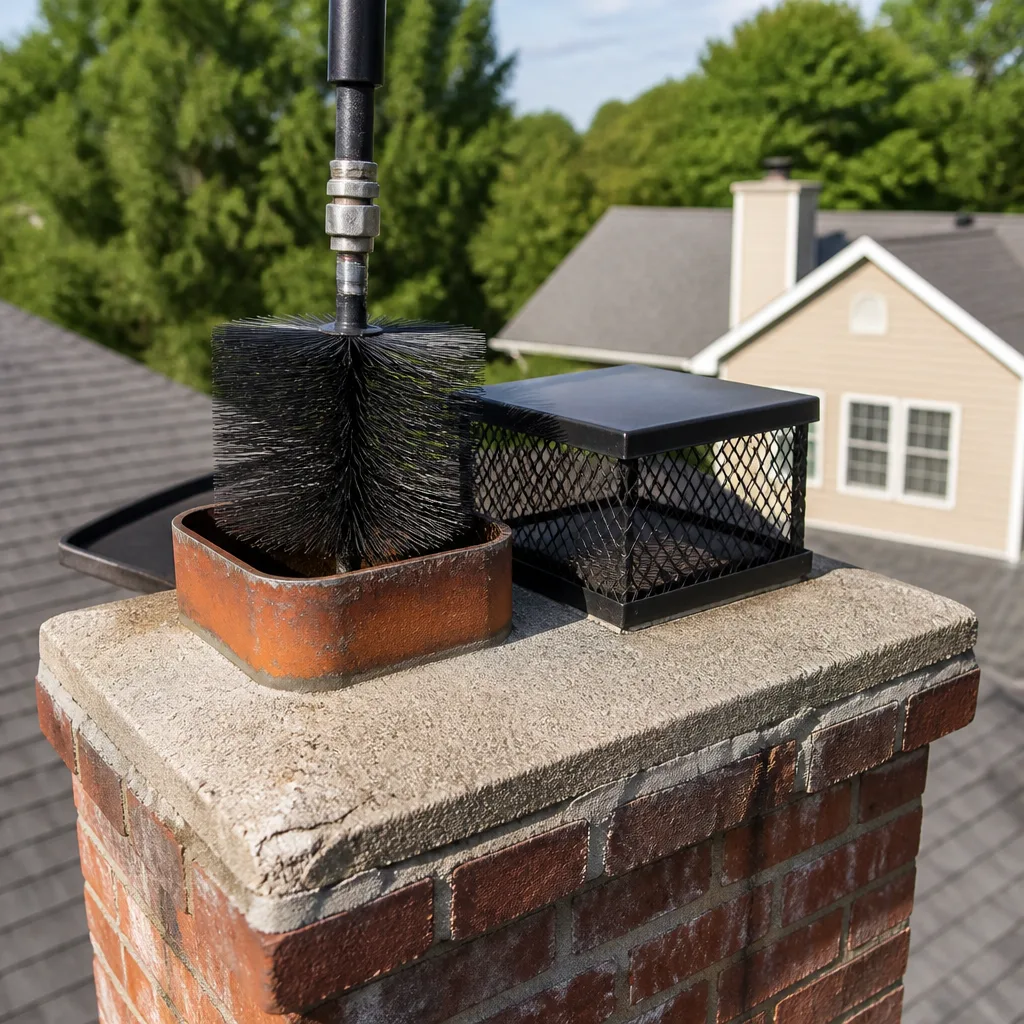 Sweep & inspection
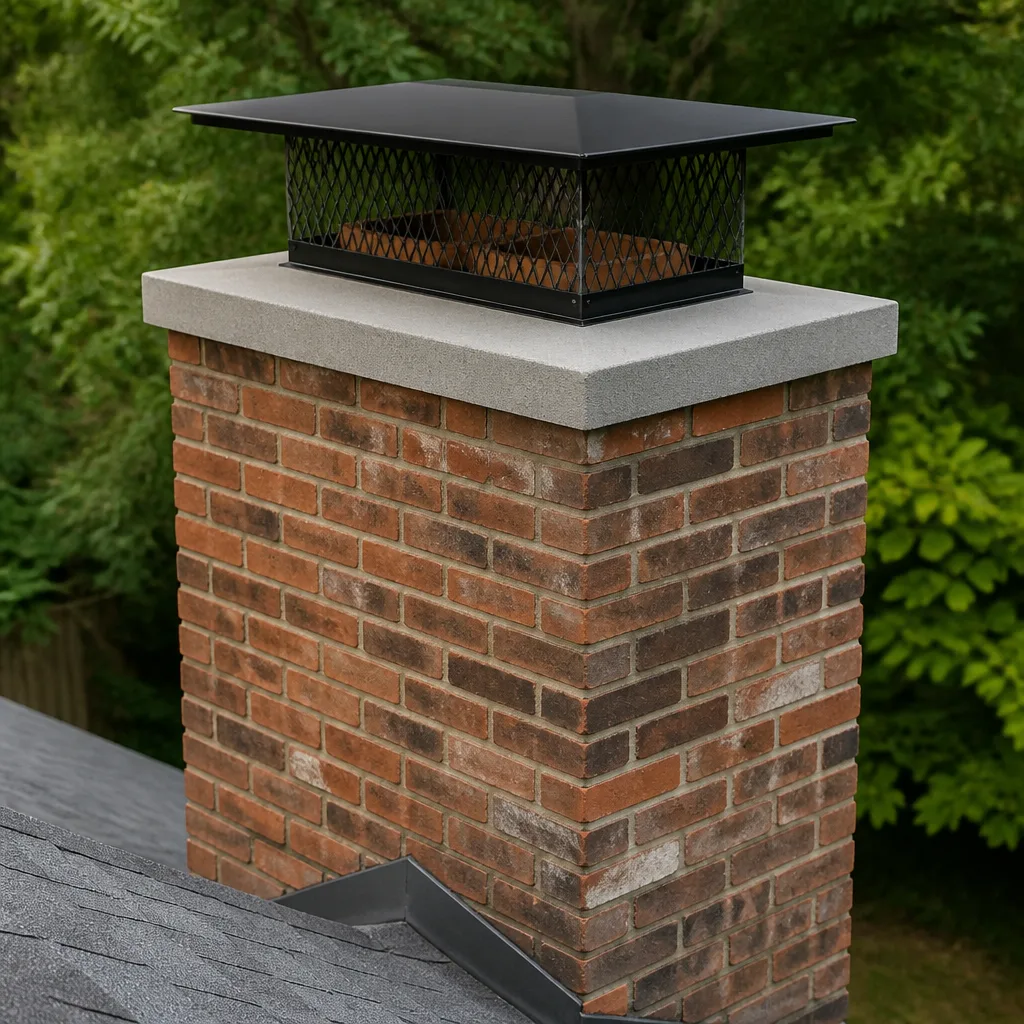 Caps & crowns
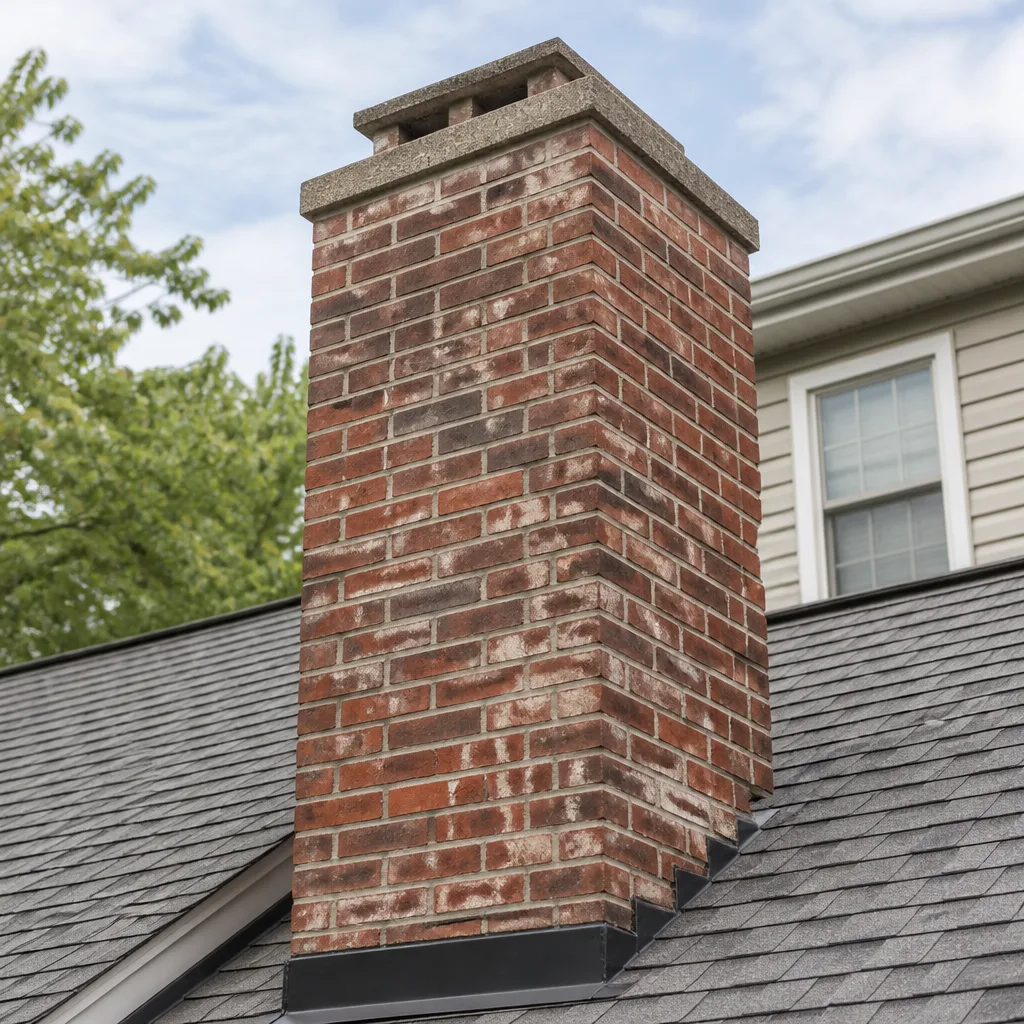 Masonry repair
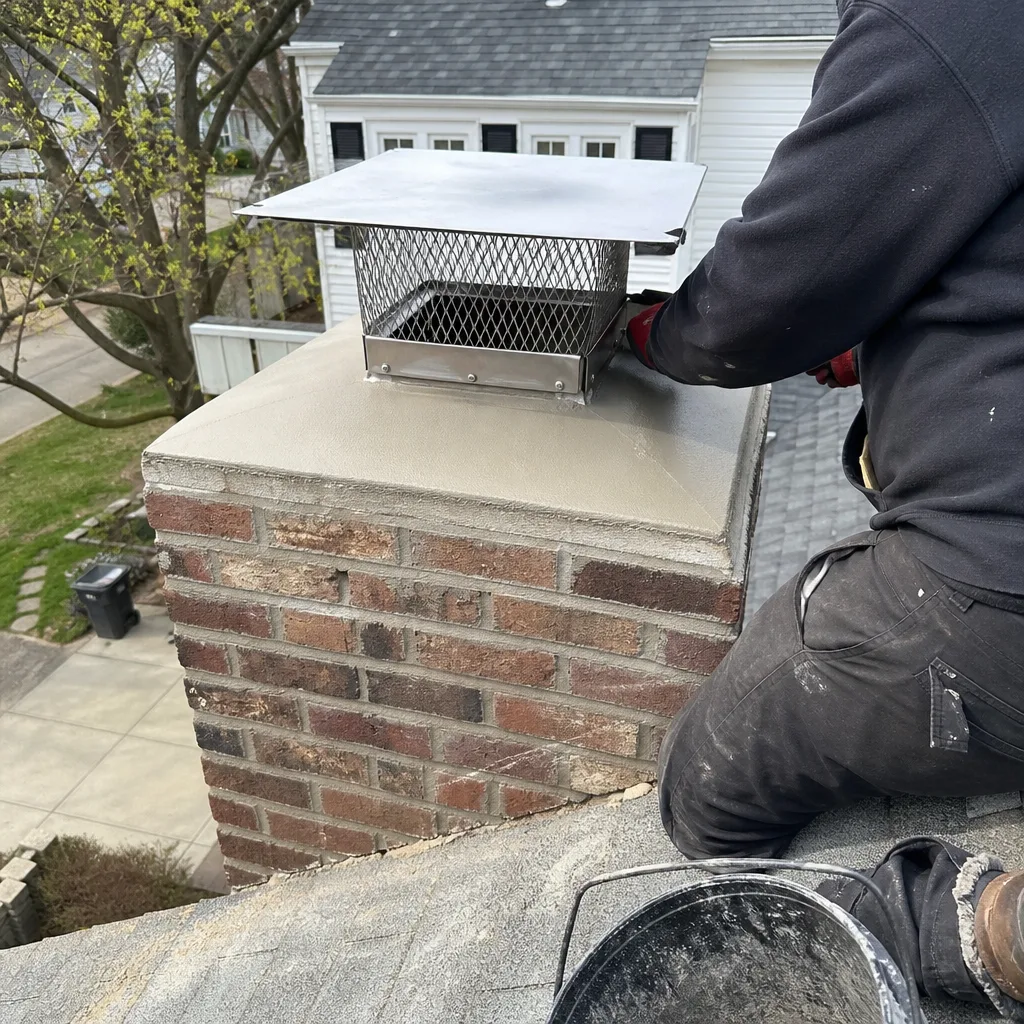
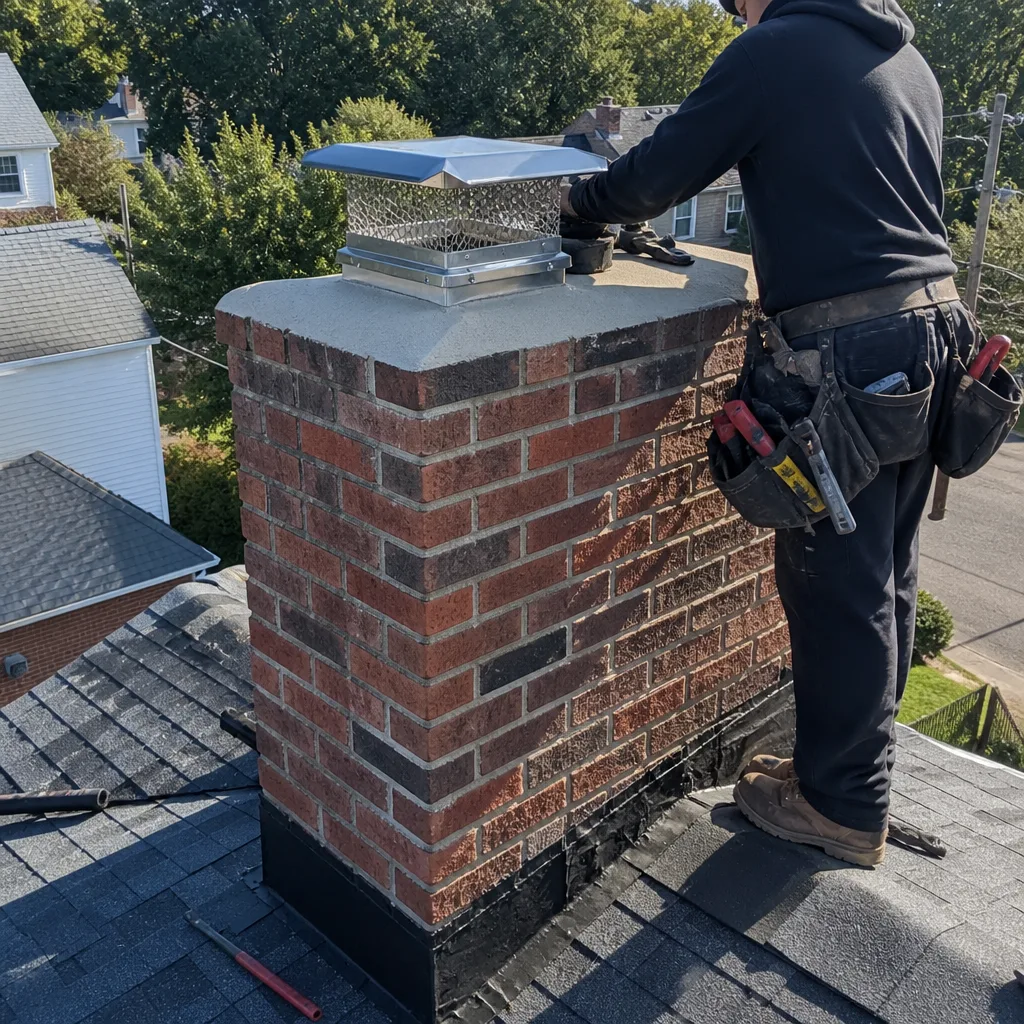
Level 1 sweep and inspection to the NFPA 211 annual standard - flue, crown, cap, and flashing checked and photographed
Chimney sweep logs do not sweep chimneys. They loosen some creosote - which then falls where a brush and vacuum still have to collect it.
DIY vs Professional Chimney Cleaning: The Yonkers Homeowner’s Decision Guide
You can buy a chimney brush kit for $60 and run it through your flue in an afternoon. The flue will technically be swept. What you won’t know is whether the smoke chamber behind your damper is caked with glazed creosote, whether a flue tile cracked over the winter and is now venting into the wall cavity, or whether the liner that passed inspection ten years ago has quietly corroded to the point where your next fire is a gamble. This guide is for Yonkers homeowners who want to make that call with their eyes open: what DIY actually accomplishes, what it can’t see, what documentation you’re forfeiting, and the three-question framework that tells you which path fits your house. For more guides & resources, visit our blog.
Styles & brands we work with
Quick Answer
For most Yonkers homes, professional chimney cleaning is the safer financial and safety decision, not because the brushing itself is hard but because a proper sweep includes a documented inspection of the flue liner, smoke chamber, and chimney structure that no brush kit can provide. DIY cleaning is genuinely reasonable in a narrow set of circumstances: a home less than 15 years old, a known stainless liner, a gas fireplace, and a professional inspection on file from the last two years. Outside that narrow window, the $180 to $350 a professional sweep costs is cheap insurance against a $3,000-to-$10,000 liner replacement or a chimney fire your insurance carrier may question if you can’t produce professional documentation. See our Chimney Cleaning Cost Breakdown: The Yonkers Homeowner’s Reference for 2026 for full pricing details.
Table of Contents
- What DIY Chimney Cleaning Actually Accomplishes
- What DIY Cannot See: The Inspection Gap
- Yonkers Housing Scenarios: When DIY Is Lowest Risk vs. Highest Risk
- The Documentation Gap: Insurance, Disclosure, and Code
- The Real Cost Comparison: DIY Supplies and Time vs. Professional Sweep
- The Three-Question Decision Framework
- What a Professional Chimney Sweep in Yonkers Actually Includes
- Common Mistakes to Avoid
- When to Call a Professional
- Frequently Asked Questions
- The Bottom Line
What DIY Chimney Cleaning Actually Accomplishes
Let’s be fair to the DIY route, because it does have a real function. A chimney brush on a flexible rod run from the top or through the firebox will dislodge loose, puffy creosote (the flammable tar buildup that accumulates when wood smoke condenses on cooler flue walls) from the main flue passage. At stage one or early stage two creosote buildup, this is genuinely useful work. You’re removing combustible material that could otherwise ignite during a hot fire.
Here’s what a brush kit in the hands of a careful homeowner can reasonably achieve:
- Remove loose soot and stage-one creosote from the primary flue walls where the brush actually makes contact.
- Clear minor obstructions like small bird nests or loose debris in the visible flue path.
- Give you a baseline visual of what the flue looks like near the top and bottom, if you’re able to look down the chimney or shine a light up from the firebox.
- Save the $180 to $350 a professional sweep costs in the short term.
But here’s where the honest assessment gets uncomfortable. Most chimney brushes on the market are round wire brushes sized for a nominal flue diameter. Yonkers homes built before 1980 often have rectangular clay tile flues in odd dimensions, or flues with offset bends that a straight brush simply follows partway. In our experience cleaning chimneys across Yonkers, we regularly find the brush made contact with only about 70 percent of the flue surface, leaving crescents of undisturbed creosote in the corners and behind the damper assembly. The brush came back out. The flue looked swept. But the parts that matter most for fire safety were never touched.
And that’s only the main flue. The smoke chamber (the inverted funnel area above the firebox that channels smoke up into the flue) almost never gets cleaned by a DIY brush because it requires a different tool and technique. Smoke chambers collect thick, hard creosote because smoke swirls and cools there. A chimney fire often starts in the smoke chamber, not in the flue itself. If your definition of “clean” is “I ran a brush through,” the smoke chamber remains untouched.
What DIY Cannot See: The Inspection Gap
The brushing is never the value in a professional chimney cleaning. The inspection is. Here’s the difference: when we sweep a chimney in Yonkers, the brush is the first ten minutes. The next forty-five are spent looking at what the homeowner can’t.
A proper level-two chimney inspection, the kind that comes standard with professional sweeps and repairs, includes:
- Video scanning of the full flue interior. A camera on a flexible rod feeds live footage of every inch of the flue liner, including the sections behind walls and above attic spaces that no mirror or flashlight will reach. This is how we find the hairline crack in a clay tile that’s invisible from the roof but is actively venting carbon monoxide into the wall cavity.
- Smoke chamber assessment. The professional removes the damper plate or works around it to inspect the chamber walls for glaze-stage creosote, cracked parged coating, or gaps where the chamber meets the flue. This area is inaccessible to a DIY brush.
- Liner integrity evaluation. Whether it’s a clay tile liner, a stainless liner, or a poured-in-place liner, a professional determines its condition, remaining service life, and whether it’s appropriately sized for your appliance. No brush kit evaluates this.
- Flashing and crown inspection from the roof. Yonkers sees freeze-thaw cycles all winter, and water intrusion through failed chimney flashing or a cracked crown is one of the most expensive slow leaks a home can have. A professional sweep includes a visual check of these elements from the roofline.
- Firebox and hearth clearance verification. Building code specifies minimum clearances between combustible materials and the fireplace opening. A professional checks that these are still met after years of use, renovations, or new flooring.
The DIY homeowner gets none of this. Not because they’re not capable of understanding it, but because they don’t have the camera, the training to interpret what it shows, or the reference data to know what a Yonkers home of a given vintage should look like. And without that, a “sweep” is just moving soot around.
Yonkers Housing Scenarios: When DIY Is Lowest Risk vs. Highest Risk
Yonkers is not one housing market; it’s a patchwork of housing stock spanning 150 years of construction. The calculus for DIY chimney cleaning changes dramatically depending on which Yonkers you live in. This is the honest breakdown we give clients who call asking whether they should tackle it themselves.
Where DIY is genuinely low-risk
- Homes built after 2005 with a known stainless steel liner. If your chimney was built or relined in the last two decades with a stainless liner, the liner is a continuous, welded or tightly-connected tube with no mortar joints to crack. Brushing won’t damage it, and the failure modes that make older chimneys dangerous are mostly absent. If you also have a professional inspection report from the last two years that shows the liner in good condition, DIY brushing between professional visits is reasonable maintenance.
- Gas fireplaces and gas inserts. These produce no creosote. The main concern is a blocked exhaust vent, a corroded vent connector, or a malfunctioning component. If you have a direct-vent gas unit, the cleaning task is mostly dusting glass and checking the exterior termination cap. Many homeowners can manage this. The exception is if the gas unit shares a chimney with a wood-burning appliance in a multi-flue configuration, at which point you need a professional to assess the shared system.
- A chimney you use once or twice a season, in a home where you had a professional sweep and level-two inspection within the last 18 months. If a professional has already documented the liner condition and you’re just doing light maintenance between visits, a gentle brushing to knock down loose soot is acceptable. The key word is gentle: aggressive brushing on an older clay liner can chip tiles.
Where DIY is highest-risk
- Pre-1980 homes with original clay tile liners. This is a huge portion of Yonkers housing stock, from the Victorians in Park Hill to the mid-century ranches in Northeast Yonkers. Clay tile liners degrade through thermal cycling: every fire heats the tiles, every cooling contracts them, and over decades the mortar joints crack and the tiles themselves can spall. A brush run through a cracked clay liner can dislodge a loose tile and create a blockage. Worse, the homeowner has no idea the tile was already cracked, so the chimney continues venting into the wall cavity after the “cleaning” is done.
- Any home with an unknown liner material. If you don’t know whether your chimney has a clay tile liner, a stainless liner, a poured-in-place liner, or no liner at all, you have no business running a brush through it. Unlined chimneys exist in older Yonkers homes and are genuine fire hazards. A brush won’t fix that. It will give false confidence.
- Homes with a history of chimney fire, even a small one. If you’ve ever had a chimney fire, even one that “burned itself out,” the internal structure of your flue liner is suspect. Chimney fire temperatures exceed 2,000 degrees, which is enough to crack clay tiles and warp stainless. A DIY brush can’t assess this damage. You need a professional video scan before you use that fireplace again.
- Homes where the fireplace hasn’t been used in the last five years, and you have no inspection record. An unused chimney can host bird nests, raccoon debris, collapsed leaves, and water-damaged masonry. The first fire after years of disuse is the one most likely to trigger a structural problem or a fire from debris you didn’t know was there. This situation calls for an inspection first, not a brush.
The Documentation Gap: Insurance, Disclosure, and Code
Here’s the part of the DIY-versus-professional conversation that almost no one talks about until it’s too late: documentation. A chimney sweep is not just a cleaning service; it’s evidence. And in three specific scenarios, that evidence matters.
Homeowner’s insurance claims. If your home sustains fire damage from a chimney fire, your insurance company’s adjuster will ask a predictable set of questions. When was the chimney last cleaned? Who cleaned it? Do you have a receipt or report? If your answer is “I did it myself with a brush kit last fall,” you have created a gray area the adjuster is professionally obligated to probe. Most homeowner’s policies require “reasonable maintenance” of fireplaces. A professional sweep with a dated report is proof of reasonable maintenance. A DIY brush with no documentation is a judgment call, and in a claims context, judgment calls go against the policyholder more often than homeowners realize.
Real estate disclosure. New York State requires sellers to complete a property condition disclosure statement, and Yonkers transactions often include a professional home inspection. If you’ve been DIY-cleaning your chimney for ten years, you have no maintenance record to show a buyer. You also may not know about a liner issue that belongs on the disclosure. A buyer’s inspector will likely flag the chimney and recommend a professional evaluation, which can delay closing or become a negotiation lever. Having a file of professional sweep reports is the cheapest way to keep a fireplace from becoming a transaction liability.
Local code compliance. Yonkers enforces the New York State Building Code, which adopts NFPA 211, the industry standard for chimney inspection and maintenance. NFPA 211 specifies that chimneys be inspected annually and cleaned as needed. It does not specify that cleaning must be professional, but it does specify inspection criteria that a DIY cleaner simply cannot perform, like liner condition assessment and clearance verification. If a code enforcement action or a post-fire investigation occurs, the professional report is the only documentation that demonstrates compliance.
The irony here is that the homeowner who “saves” $250 per year by DIY cleaning has no documentation, no photographic record, and no defensible maintenance history. When they need that history, they discover it’s the one thing the brush kit didn’t come with.
The Real Cost Comparison: DIY Supplies and Time vs. Professional Sweep
Let’s put numbers on it, because the DIY case is usually framed as saving money. In the Yonkers market, chimney sweeps typically run $180 to $350 for a standard cleaning with a level-one or level-two inspection, depending on chimney height, accessibility, and whether there are multiple flues. Here’s the DIY side of the ledger:
| DIY Item | Cost |
|---|---|
| Chimney brush kit with flexible rods | $60 to $120 |
| Drop cloths, tarps, and plastic sheeting | $20 to $40 |
| Shop-vac rental or purchase for soot cleanup | $40 to $120 |
| Ladder rental if you don’t own one tall enough | $40 to $80 |
| Safety goggles, dust mask, gloves | $20 to $35 |
| Your time (3 to 5 hours, including cleanup) | Valued at whatever your time is worth |
So the direct material cost of the DIY route is $180 to $395, not the $60 figure usually cited. On paper, it’s break-even with the professional service in the first year, and it becomes “savings” only if the brush kit lasts multiple seasons. The brush kit will last, roughly, three to four cleanings before the wire bristles degrade.
But this math ignores the real variable: what a professional finds, versus what a DIY cleaner misses. In Yonkers, we regularly find stage-three glazed creosote, cracked tiles, failed flashing, or improperly sized liners during standard cleanings. Catching a cracked tile early means a $300-to-$800 repair. Catching it late, after a chimney fire or water damage, means a $3,000-to-$10,000 full liner replacement, plus potential structural repairs to surrounding framing. The inspection that comes with a professional sweep is the cheapest risk management tool a homeowner with a fireplace can buy.
And time is real. A DIY sweep is an awkward, dirty, physically uncomfortable job. You’re on a roof with a brush, you’re covered in soot, you’re cleaning the firebox and the surrounding floor for longer than you expected, and then you still don’t know whether you actually improved your fireplace’s safety. A professional sweep in Yonkers takes 60 to 90 minutes, and you get a written report with photographs. That’s not a cost comparison that favors the ladder.
The Three-Question Decision Framework
If you’ve read this far, you know the honest picture. Now here’s the framework that simplifies the decision. Ask yourself these three questions, and the answer to each will push you clearly toward DIY or professional service.
- Do I know, with documentation, what material lines my flue? If you can answer yes and produce the inspection report that says “stainless steel liner, good condition, 2023,” you’re in the narrow DIY window. If you can’t answer, or your answer is “I think it’s clay tile from the 1960s,” you need professional eyes before any brush goes down that flue. The liner is the single most important variable in fireplace safety, and guessing is not a maintenance strategy.
- Have I had a professional level-two inspection within the last two years? This is not the same as a cleaning. A level-two inspection includes a video scan. If the answer is yes and the report shows no issues, DIY brushing is acceptable seasonal maintenance. If the answer is no, the first professional visit pays for itself in information. In Yonkers, where many homes are 60, 80, or 100-plus years old, an undocumented chimney is an unknown chimney.
- Can I afford the consequences of missing what I can’t see? This is the uncomfortable question. If you DIY brush a chimney with a hidden cracked tile and burn a fire that vents into the wall, the cost is not measured in hundreds of dollars. It’s measured in structural repairs, potential carbon monoxide exposure, and a claim conversation with an insurance company that has no professional report on file. If that risk is acceptable to you, the decision is yours to make. But most Yonkers homeowners, once they understand what’s at stake, decide that $250 per year is a reasonable price for eyes on the flue.
Answer yes to all three, and you’re a reasonable DIY candidate. Answer no to any one of them, and a professional sweep is not an upsell: it’s the baseline.
What a Professional Chimney Sweep in Yonkers Actually Includes
If you’ve never hired a chimney company before, you might be surprised by how thorough a professional visit should be. Here’s what happens when you book a sweep with a company that operates on a documentation-first model, like Chimney Sweep in Yonkers with our team at Hadley. Every job starts with a written price before anyone touches a brush. No surprise charges at the door.
- Arrival with a tracked window. Our technicians arrive in a uniform, in a vehicle with a tracked arrival time, not a four-hour guess. You know who’s coming and when. This matters because you’ll want to be home to see the photos.
- Floor protection and staging. Drop cloths go down around the firebox, the work area is isolated, and the vacuum system is set up before the brush comes out.
- Mechanical brushing of the flue. The brush is sized to your actual flue dimensions, not a guess. We use rotary brushes or rod brushes depending on the flue condition, and we’re gentle on older clay liners that are still viable.
- Smoke chamber cleaning. This is the step DIY misses. We remove glaze-stage creosote from the smoke chamber, which is the highest-risk fire zone in a wood-burning fireplace.
- Video scan of the flue interior. Before, during, and after photos, with a camera that documents every inch. You’ll see the before-and-after evidence on your phone, the same way you’d expect from any other service you book digitally.
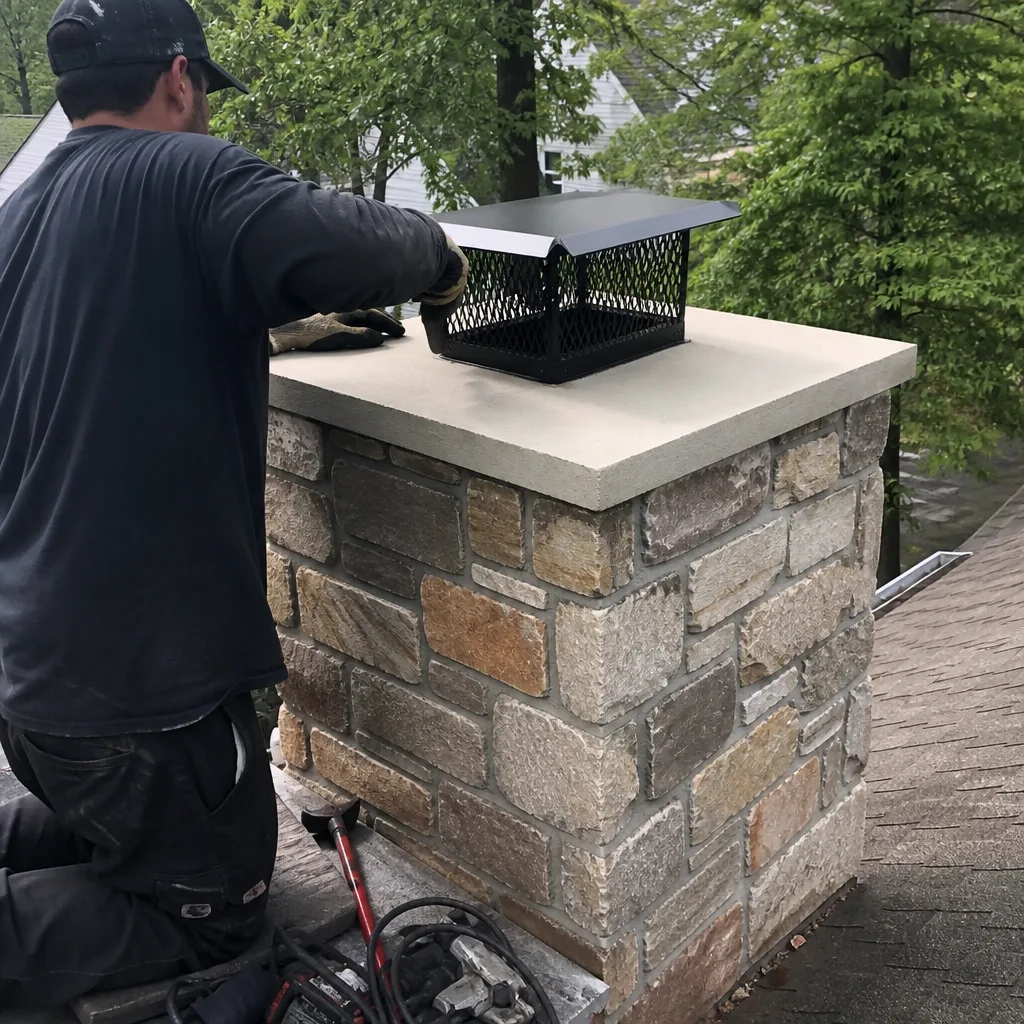
- Roof-level assessment. Flashing, chimney crown, mortar joints, and cap condition are visually checked. Yonkers winters are hard on masonry, and this rooftop check catches water intrusion before it rots framing.
- Written report and digital invoice. You get a documented report of what was found, what was cleaned, and what, if anything, needs attention. The invoice is digital and payable from a link. Every repair, if one is needed, comes with a written guarantee and a free second visit if the repair fails. That’s our 365-Day Done Right Promise, and it’s not a promotional offer; it’s the standing terms.
We also work with materials that chimney professionals actually specify: DuraFlex flexible liner systems, HeatShield ceramic repair compound, Gelco, Olympia Chimney, Famco, and Copperfield accessories. When a repair is needed, these are the parts that go in, not whatever is cheapest on the truck.
Common Mistakes to Avoid
- Brushing an older clay tile liner aggressively. Pre-1980 Yonkers homes with original clay liners are everywhere, and a stiff wire brush run hard down a cracked tile flue will chip and dislodge tiles you didn’t know were failing. Gentle pressure, or better yet, a professional video scan first, is the only safe approach.
- Cleaning only the flue and skipping the smoke chamber. The smoke chamber is where glazed creosote accumulates and where a chimney fire often ignites. A DIY brush typically never touches it, which means the “cleaned” chimney still contains the most dangerous fuel load in the system.
- Burning a fire immediately after a DIY sweep to “test” the chimney. If you dislodged debris that’s now sitting behind the damper or partially blocking the flue, the first fire is the test that can turn a blockage into a smoke event or a fire. Professional sweeps include obstruction verification before you light anything.
- Assuming “we never use it” means the chimney is fine. An unused chimney in Yonkers is still exposed to freeze-thaw cycles, nesting animals, and water intrusion. No use does not mean no maintenance problem.
- Ignoring the exterior of the chimney because the inside looks clean. Most structural chimney failures begin on the outside: failed flashing, a cracked crown, spalling brick, or a deteriorated mortar cap. A clean flue inside a chimney with water-damaged masonry is still a failing chimney.
- Treating a chimney sweep receipt as optional paperwork. That receipt is your insurance documentation, your real estate disclosure evidence, and your code compliance record. Throw it away or never obtain it, and you’ve spent the money without buying the most valuable part: the proof.
When to Call a Professional
Call a professional if any of these apply: your Yonkers home was built before 1980 and you don’t know the liner condition, you’ve had a chimney fire even once, you haven’t had an inspection in more than two years, you smell smoke or see soot stains on interior walls near the chimney, you’re buying or selling a home, or your fireplace hasn’t been used in years and you want to light it again. These aren’t edge cases; they’re the situations where a $250 sweep is the cheapest money you’ll spend this year. Hadley Chimney Yonkers offers free estimates in Yonkers, and our sweeps include the full video documentation and written report we’ve described throughout this guide. Call (914) 233-3156 and a live person will answer, day or night. You’ll get a written price before anyone touches your chimney, and you’ll see the before-and-after photos proving the work was done.
Frequently Asked Questions
A professional chimney sweep in Yonkers typically runs $180 to $350, depending on chimney height, roof accessibility, the number of flues, and whether a level-two video inspection is included. This covers mechanical brushing, smoke chamber cleaning, a video scan, and a written report. DIY brush kits cost $60 to $120, but don’t include inspection, documentation, or the smoke chamber work that prevents the most dangerous fires. Call (914) 233-3156 for an exact quote: estimates are free, and the price is written before work starts.
You can physically clean your own chimney safely in a narrow set of circumstances: a home less than 15 years old, a documented stainless steel liner, a recent professional inspection on file, and a gas fireplace or light seasonal use. Outside those conditions, the risk shifts from “will the brush work” to “what will the brush miss,” and the answer is usually the smoke chamber, liner condition, and any structural defects a video scan would catch. The danger isn’t the brushing itself; it’s the false confidence of a swept flue hiding a cracked tile or an obstructed smoke chamber.
The National Fire Protection Association (NFPA 211) standard is to inspect annually and sweep as needed, and Yonkers homeowners who actually burn wood fires typically need a sweep every 1 to 2 years, or roughly every 50 to 70 fires. Homes that burn unseasoned wood, or older Yonkers chimneys with clay liners that don’t draft as efficiently, will accumulate creosote faster and may need an annual sweep. If you’re seeing more than 1/8 inch of dark, flaky or glazed buildup on the flue walls, it’s time. Call (914) 233-3156 and we’ll give you a straightforward answer on what your chimney actually needs.
A DIY chimney cleaning doesn’t void your insurance directly, but it does remove the professional documentation that proves “reasonable maintenance” if you ever file a chimney-fire or smoke-damage claim. Insurance adjusters ask for cleaning receipts and inspection reports, and a self-service brush kit produces neither. In a claims dispute, the absence of documentation works against you. A professional sweep with a written report is the cheapest defensible maintenance record you can buy for a fireplace.
Signs that your Yonkers chimney needs more than a sweep include: smoke entering the room even with the damper open, a persistent smoky smell when the fireplace is cold, white staining or efflorescence on exterior brick, crumbling mortar on the chimney crown, visible rust on the damper or firebox, water stains on the ceiling near the chimney, or a roaring sound in the flue during a fire (which can indicate a chimney fire in progress). Any one of these means stop using the fireplace and get a professional inspection. Hadley Chimney Yonkers offers free estimates in Yonkers, and Chimney Repair in Yonkers is our core service when inspections reveal something that brushing won’t fix. Call (914) 233-3156.
A gas fireplace does not produce creosote and does not need the same brushing a wood-burning chimney needs, but it does need annual inspection and maintenance of its venting system, burners, and controls. Direct-vent gas fireplaces can accumulate dust on the glass, build up debris in the vent termination, or develop corrosion in the venting that causes carbon monoxide to backdraft into the room. Our Gas Fireplace Repair in Yonkers service covers these checks. If you have a gas fireplace, the inspection is still annual; you just skip the brush.
The Bottom Line
The DIY chimney cleaning debate in Yonkers is not about whether you’re capable of running a brush through a flue. It’s about whether you’re willing to accept that a brushed flue and a safe chimney are two different things. The smoke chamber, the liner condition, the flashing, the crown, the documentation: these are the parts that determine whether your fireplace is an asset or a liability, and none of them show up in a $60 brush kit. Most Yonkers homeowners, once they see the full picture, decide that a professional sweep with video documentation and a written report is the cheapest risk management a fireplace can have. If you want the full picture on your chimney this season, call (914) 233-3156 and a live person will book you a tracked appointment, write the price before the work starts, and show you the photos when it’s done. That’s the standard every chimney company in Yonkers should meet, and it’s the one our Hadley Chimney Yonkers home has held since 2003.
Written by Cory Mitchell, Owner at Hadley Chimney Yonkers, serving Yonkers since 2003.
See the difference
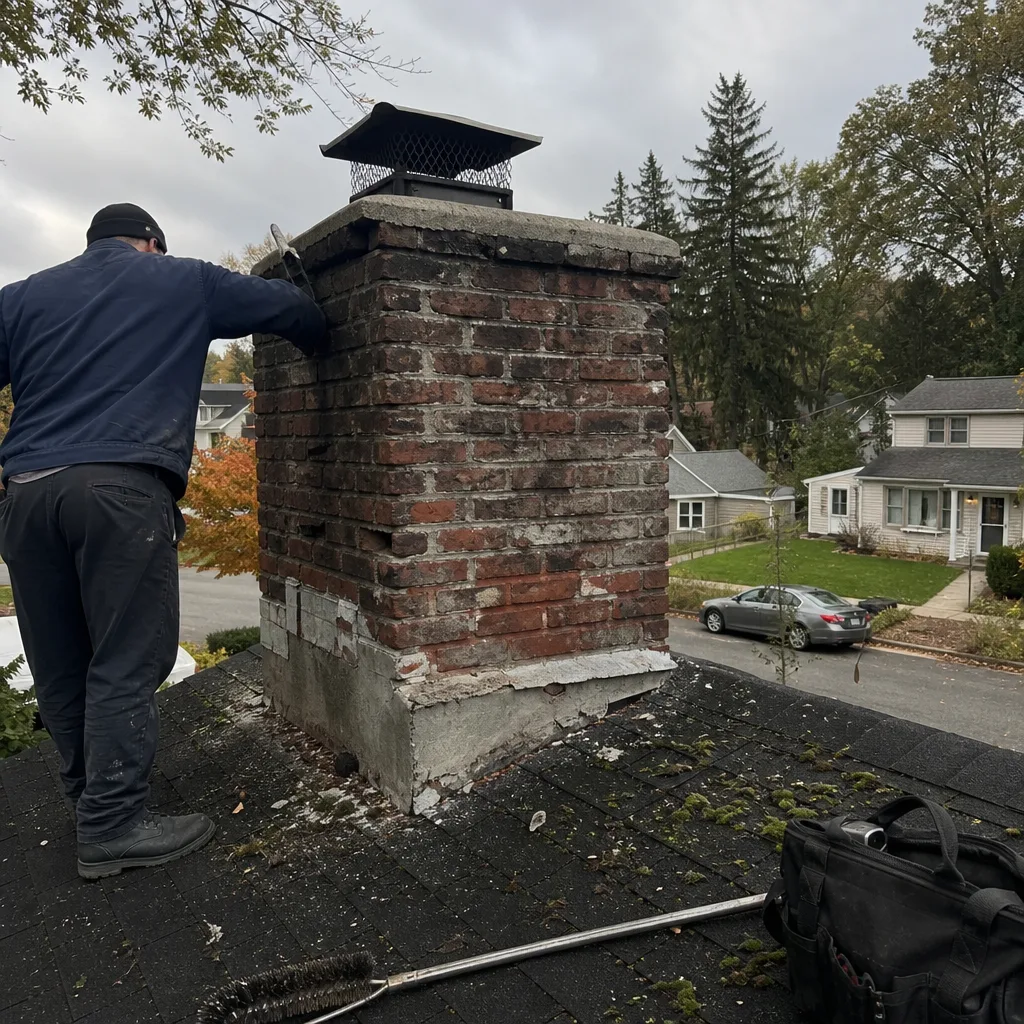 Before
 After
After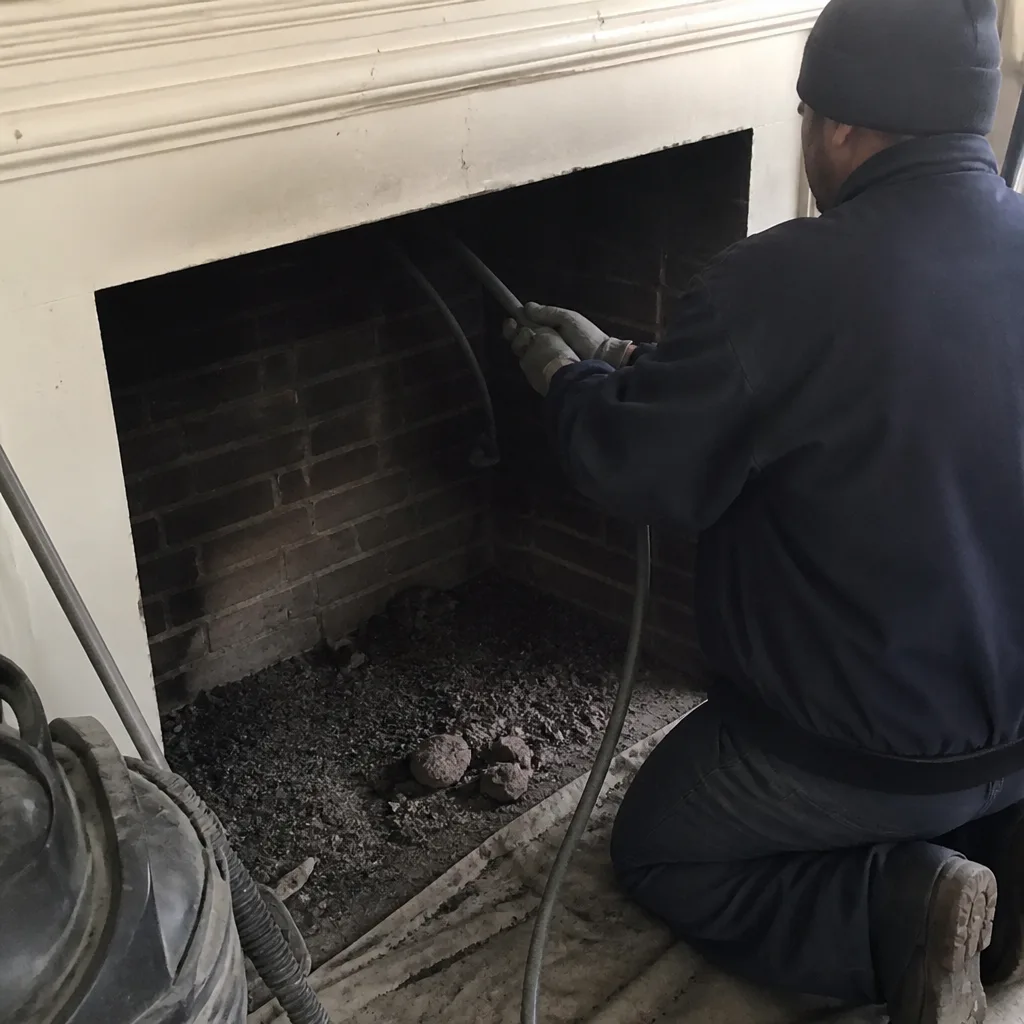 Before
 After
After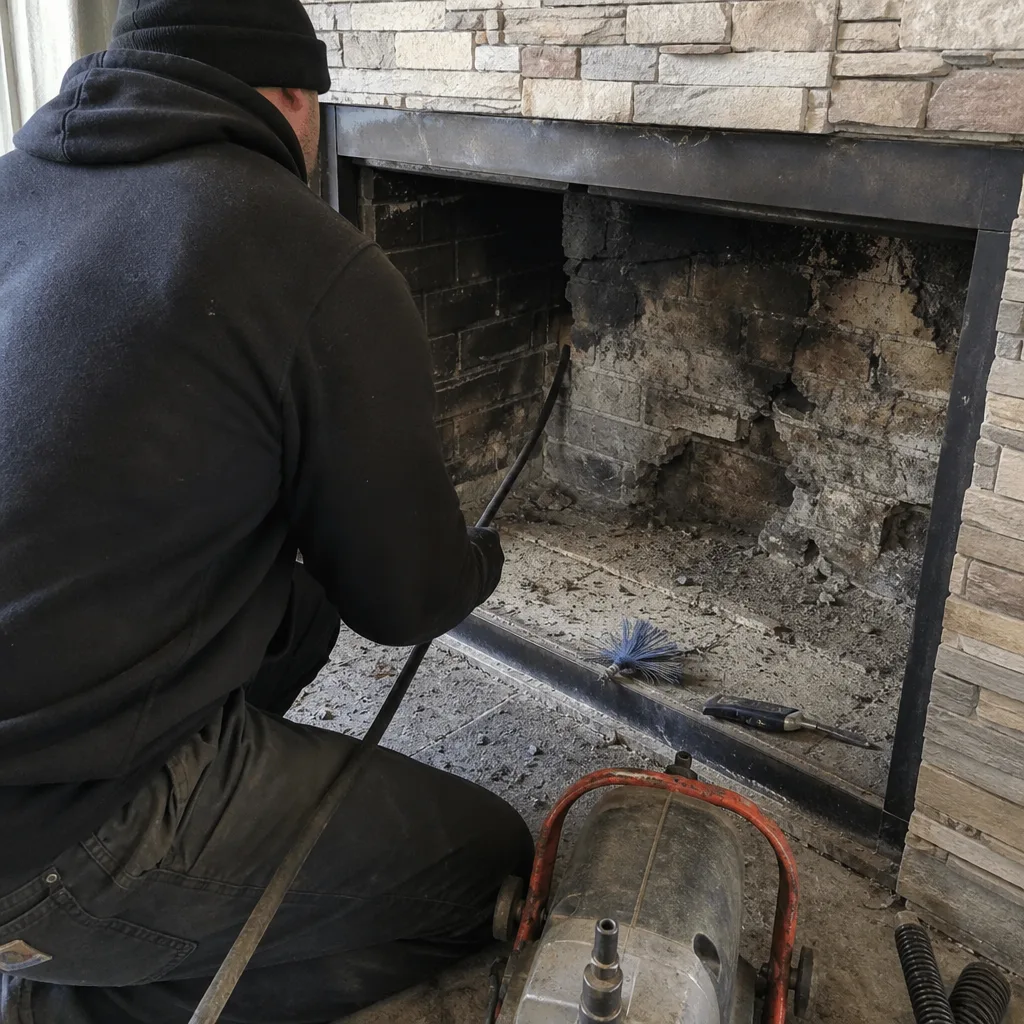 Before
 After
After