
Last updated October 15, 2026
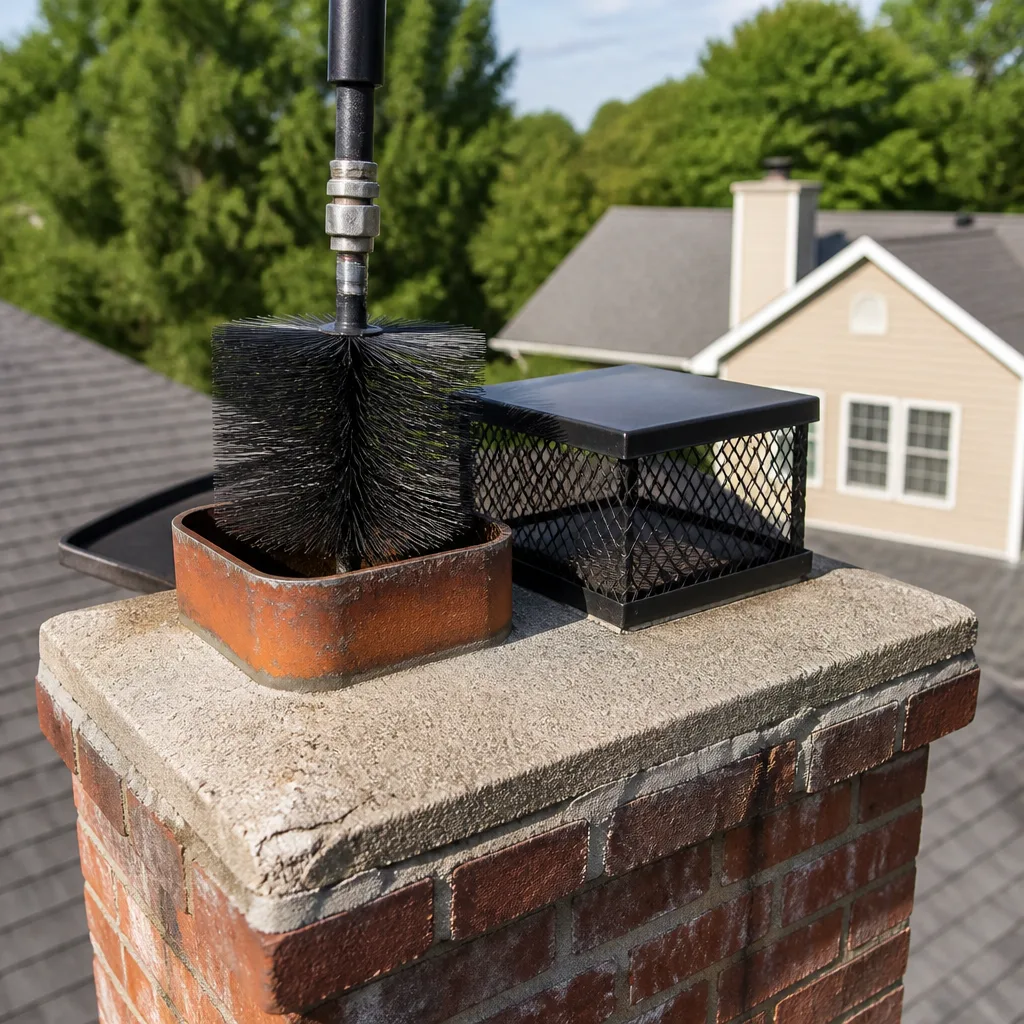 Sweep & inspection
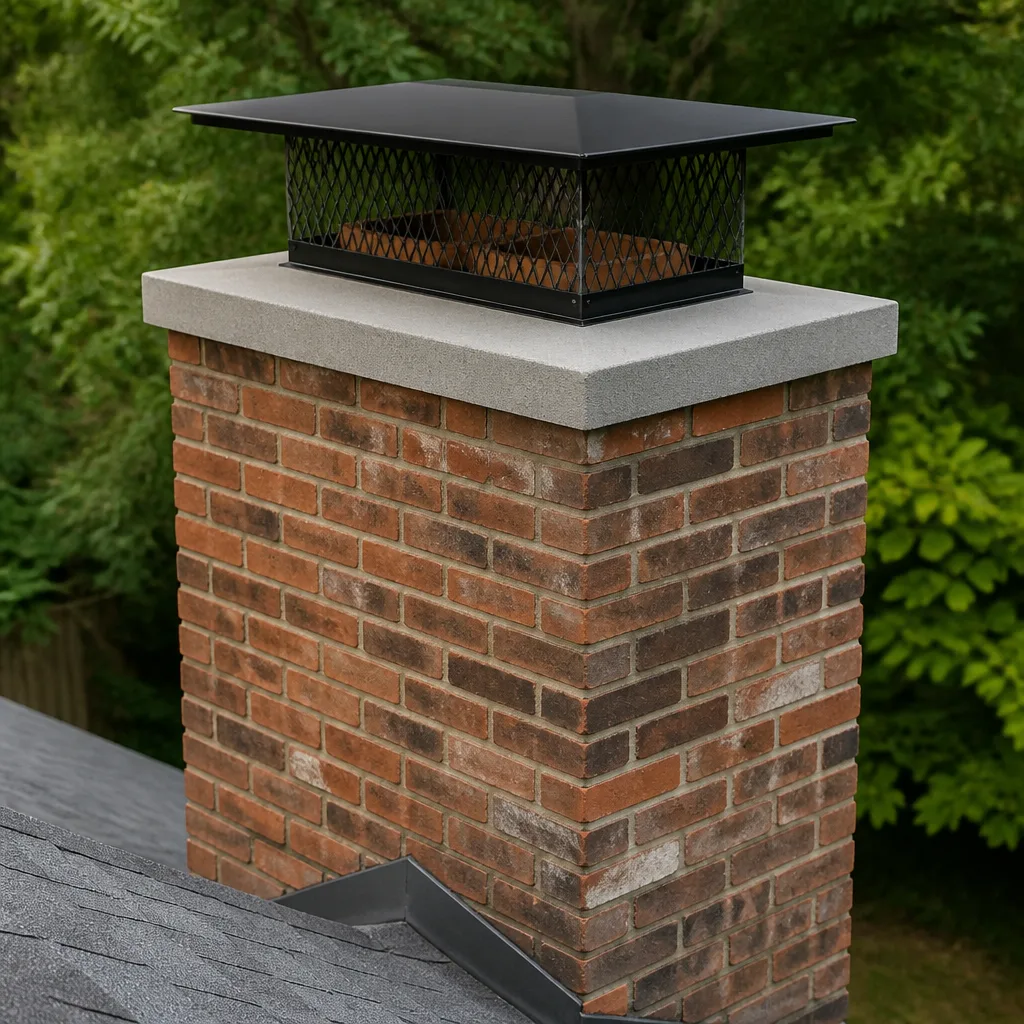 Caps & crowns
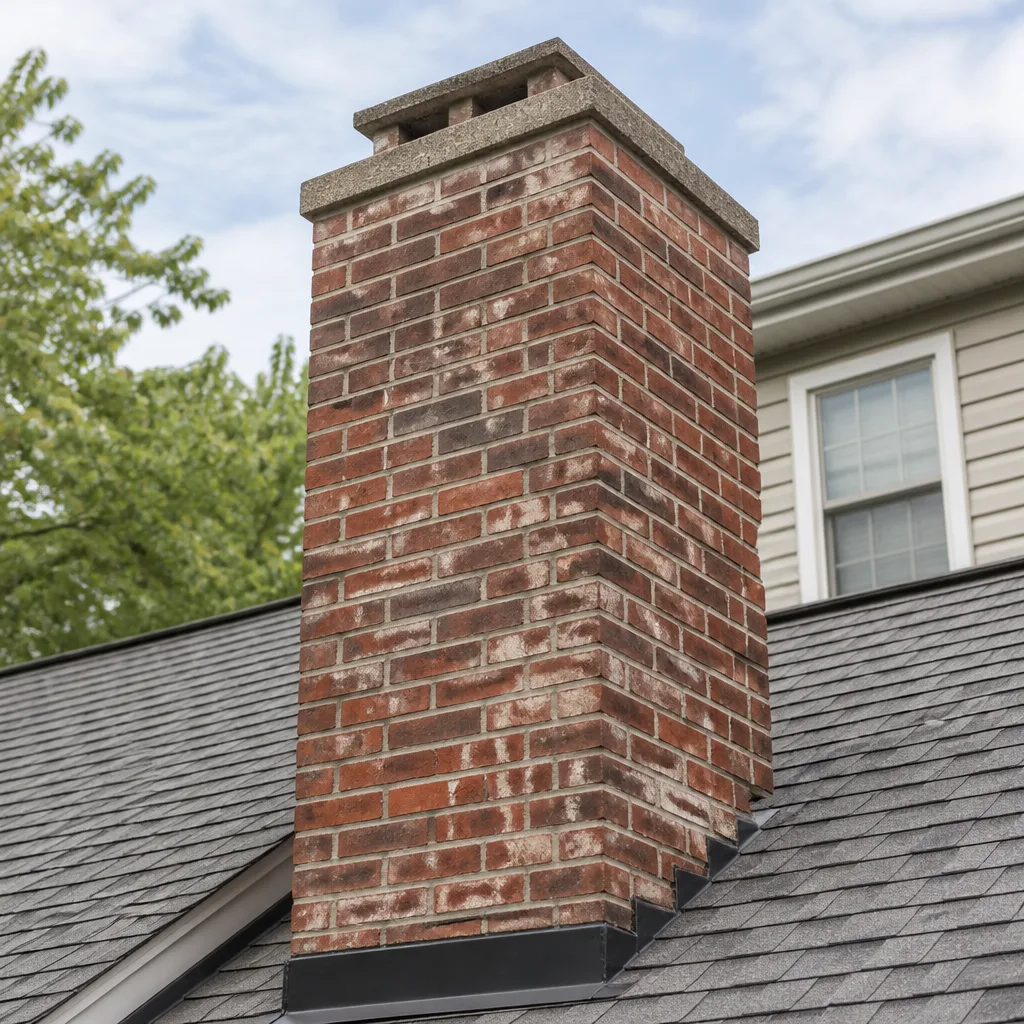 Masonry repair
Level 1 sweep and inspection to the NFPA 211 annual standard - flue, crown, cap, and flashing checked and photographed
Chimney sweep logs do not sweep chimneys. They loosen some creosote - which then falls where a brush and vacuum still have to collect it.
Seasonal Chimney Cleaning Care for Yonkers: Year-Round Homeowner’s Guide
Spring is the most damaging season for Yonkers chimneys, not winter. The freeze-thaw cycle that runs from January through March is over, and that’s when you can finally see what it did to your mortar joints and crown. Most homeowners schedule a sweep in October, feel responsible, and then ignore the chimney for the other ten months. But Yonkers has four genuinely different chimney threat seasons, and treating chimney care as a once-a-year fall task means you’re ignoring the three other windows where damage quietly accumulates. This guide maps what your chimney actually needs in each season, based on how Yonkers weather actually behaves, and you’ll find more guides & resources on our blog.
Styles & brands we work with
Quick Answer
Seasonal chimney care in Yonkers means different tasks in each of four seasons: a post-winter damage inspection in March or April, animal and moisture prevention in summer, a full sweep and inspection before burning season starts in September or October, and monthly visual checks during the burning months. A standard chimney sweep in Yonkers typically runs $180 – $340, and booking in August avoids the fall rush that backs Westchester chimney companies up for weeks. For a deeper look at pricing, see our Chimney Cleaning Cost Breakdown: The Yonkers Homeowner’s Reference for 2026.
Table of Contents
- Winter in Yonkers: The Freeze-Thaw Cycle That Never Stops Working
- Spring: The Inspection Season Most Homeowners Skip
- Summer: Nests, Rain, and the Flue You’re Not Using
- Fall: Why Booking in August Changes Everything
- Wood vs. Gas vs. Oil: A 12-Month Calendar for Your Fuel Type
- Creosote, Liners, and Crowns: What Those Terms Actually Mean
- Common Mistakes to Avoid
- When to Call a Professional
- Frequently Asked Questions
- The Bottom Line
Winter in Yonkers: The Freeze-Thaw Cycle That Never Stops Working
Here’s what happens to a brick chimney in Yonkers between December and March. Snow lands on the crown (the concrete cap at the top of your chimney). It melts during the day when the sun hits the dark brick. The water seeps into tiny cracks in the mortar joints and the crown itself. At night, the temperature drops below freezing, and that water expands by about 9% as it becomes ice. Every freeze-thaw cycle wedges those cracks a little wider. By March, what started as a hairline crack is a structural opening.
We’ve seen this pattern repeat across Yonkers neighborhoods, from the brick Colonials in Lawrence Park and Crestwood to the mid-century homes in Cedar Knolls. Brick is porous by nature, and older mortar, especially lime-based mortar installed before the 1960s, absorbs water like a sponge. The damage isn’t sudden. It’s cumulative, and it accelerates every year it goes unaddressed.
During the burning season itself, your main concern inside the chimney is creosote. Creosote is the flammable tar buildup that condenses from wood smoke onto the interior walls of your flue. It forms in three stages: a dusty first-stage film, a granular second-stage crust, and a hard, glossy third-stage glaze. Third-stage creosote is what fuels chimney fires, and it can’t be brushed away. It requires chemical treatment or mechanical removal.
What to do in winter:
- Burn only seasoned hardwood with a moisture content below 20%. Wet wood produces cooler smoke, and cooler smoke deposits more creosote, faster.
- Check the exterior chimney monthly for new cracks, spalling brick faces, or missing mortar.
- Keep the damper fully open while a fire burns and until the fire is completely out.
- If you notice a smell like a hot tar roof coming from the fireplace when it’s not in use, call a chimney sweep before the next fire. That’s often third-stage creosote.
- Use a chimney cap with a spark arrestor. Yonkers homes with uncapped flues see snow accumulation inside the flue itself, and snowmelt on creosote is a corrosive mix.
One thing winter does reveal: leaks. If water stains appear on the ceiling or wall near the chimney during a thaw, the problem is almost certainly flashing (the metal strips where the chimney meets the roof line) or a cracked crown. Both are repairable without replacing the entire chimney, but not without getting someone on the roof to look.
Spring: The Inspection Season Most Homeowners Skip
By the time April arrives in Yonkers, the freeze-thaw cycle has done whatever it’s going to do for the year. The damage is visible now, if you know where to look. This is why a spring inspection matters more than a fall one. A fall inspection catches damage before it gets worse. A spring inspection catches the damage winter already caused, while there’s still time to repair it during dry, warm weather and before next winter’s snow makes the problem dramatically worse.
Spring is also the season when mortar spalling shows up. Spalling is when the face of a brick pops off, leaving the soft inner core exposed. It happens because water soaked into the brick, froze, and expanded. In Yonkers, where March temperatures swing between freezing nights and 45-degree days, spalling is common on chimneys that haven’t been waterproofed or repointed.
Here’s what a proper spring chimney check covers on a Yonkers home:
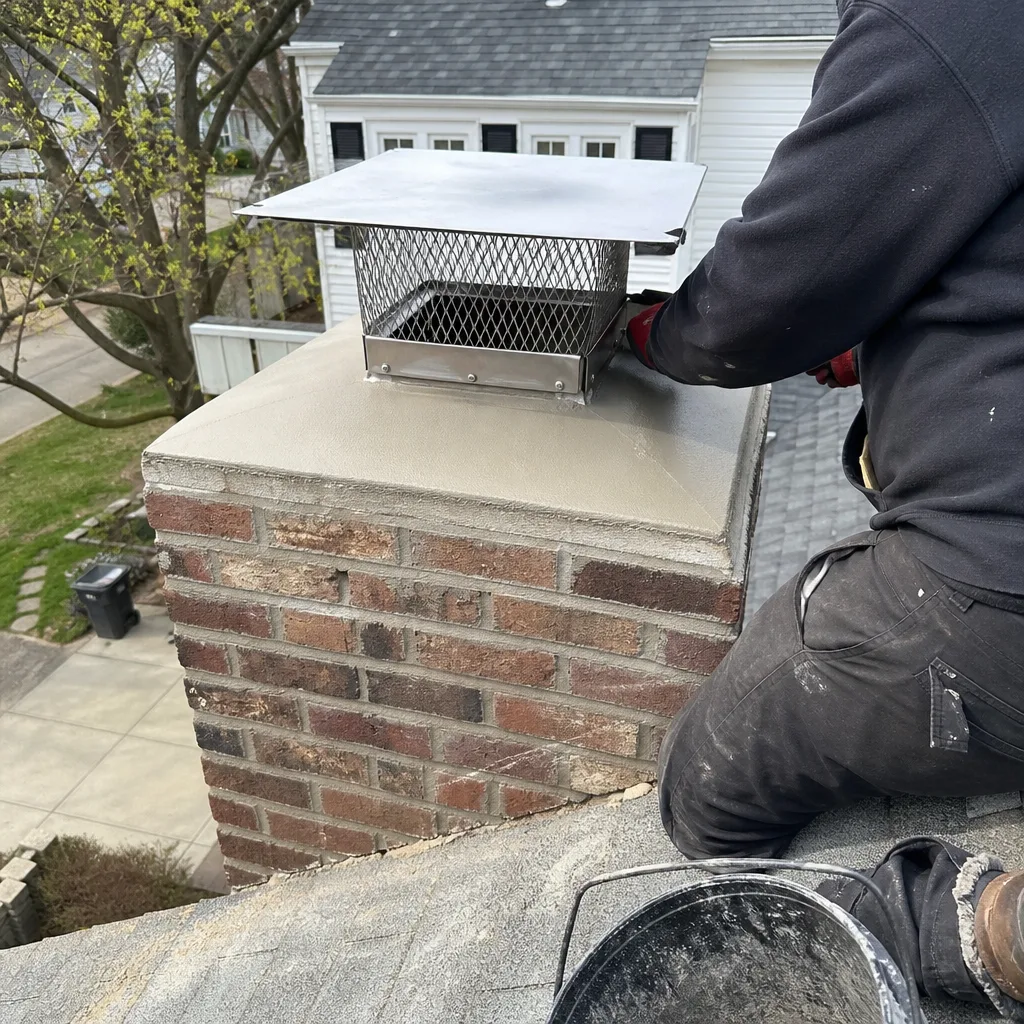
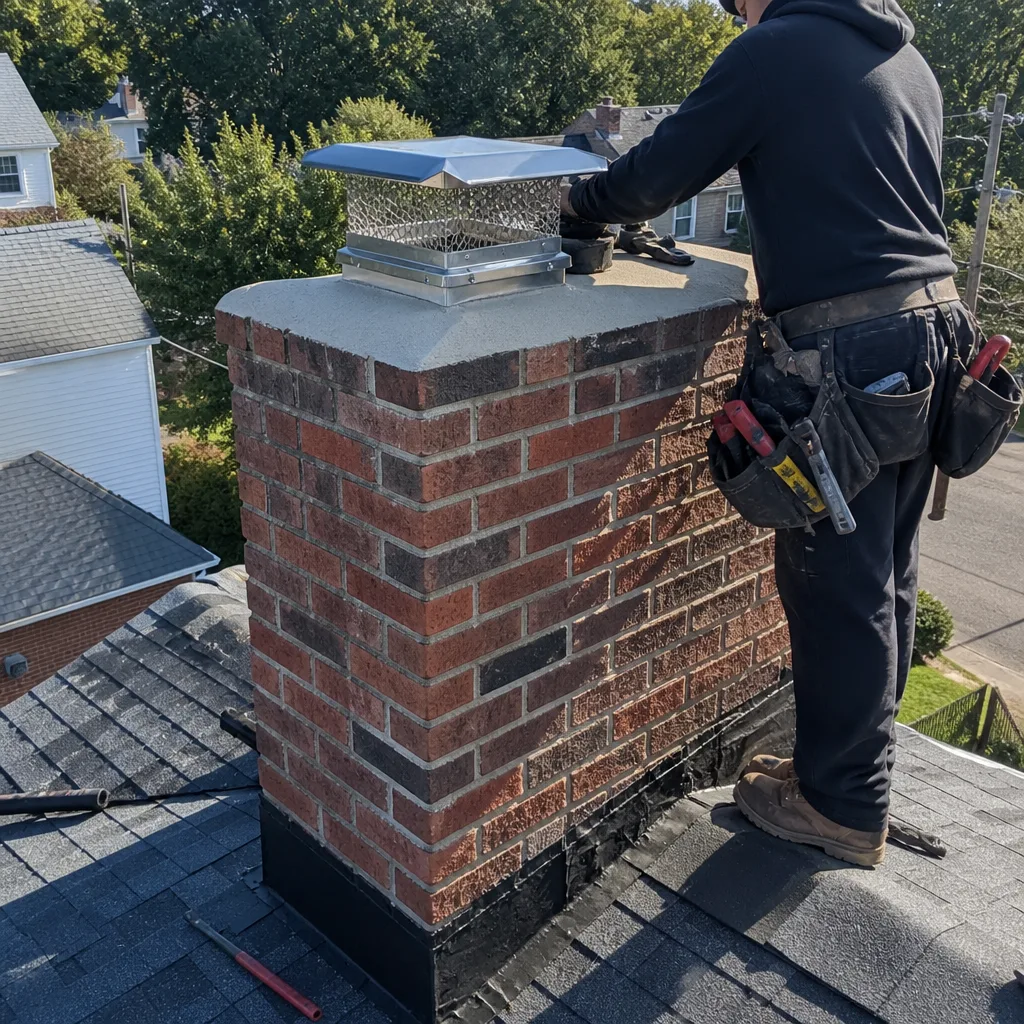
- The crown: Look for cracks wider than a credit card, pieces missing from the edge, or a crown that doesn’t overhang the chimney by at least 2 inches. An overhanging crown creates a drip edge so water falls away from the brick instead of running down it.
- The flashing: Flashing is the sheet metal that seals the gap where the chimney passes through the roof. Lifted flashing, rusted flashing, or missing sealant means rainwater is getting into your attic every time it rains.
- The mortar joints: Run your hand over the mortar between bricks. If it crumbles or sands off, that’s called repointing territory. Repointing is the process of grinding out damaged mortar and replacing it with fresh material. It’s a spring job because mortar sets best above 40°F.
- The flue liner: If you burn wood, have the flue inspected for cracks or gaps in the clay tiles. A cracked flue lets heat and carbon monoxide reach the chimney structure and, eventually, the home. If your liner is clay and it’s damaged, a stainless steel liner like a DuraFlex flexible liner system may be the right call.
- The damper and firebox: The damper should open and close fully with no sticking. The firebox (the floor and walls of the fireplace itself) should not have cracks wider than 1/16 of an inch. Cracks in the firebox can let heat reach the framing behind the brick.
In our experience, spring inspections on Yonkers brick homes turn up something in roughly half of all cases. Not always a major repair. Sometimes it’s a crown sealant touch-up or new flashing. But catching those small things in April costs a fraction of what they cost if they’re left until the chimney leaks during a January thaw. You can read more about the scope of chimney repairs on our Chimney Repair in Yonkers page.
Summer: Nests, Rain, and the Flue You’re Not Using
Summer is when Yonkers homeowners forget their chimney exists. That’s exactly what makes it a problem season. The flue is dormant, warm, and protected. To a chimney swift, a starling, or a squirrel, that’s a ready-made nesting site. And once an animal is in the flue, you have a blocked chimney, a mess of flammable nesting material sitting on top of your smoke shelf, and sometimes a dead animal decomposing in the firebox. None of these are things you want to discover on the first cold night of October.
Nesting isn’t the only summer risk. Summer rain in Yonkers is heavy, and an uncapped chimney is a direct pipe from the sky into your flue. Water sits on the smoke shelf, mixes with creosote from last winter, and creates an acidic sludge that corrodes metal dampers and eats at mortar. That same water can soak into the firebox and cause a musty smell that creeps into the house on humid days.
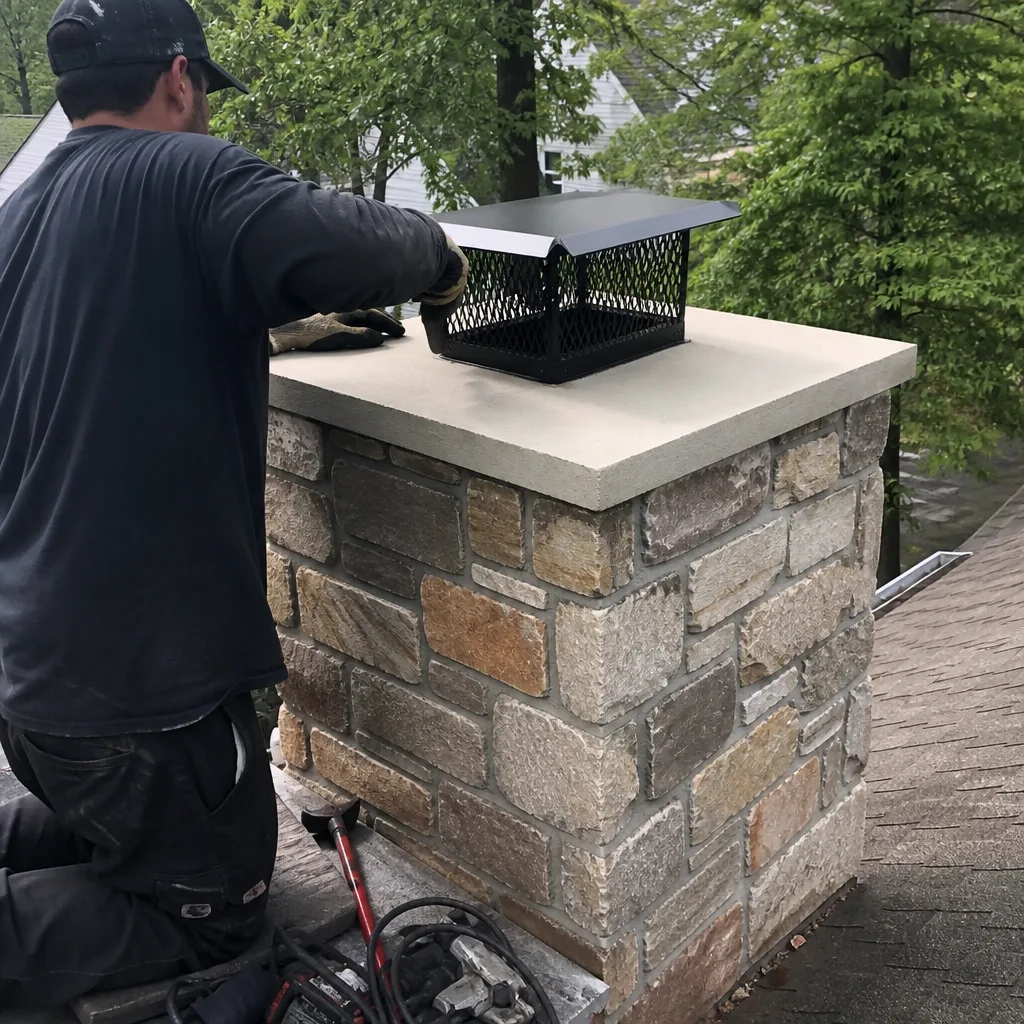
If your chimney is capped with a proper stainless steel cap with a mesh spark arrestor screen, most of these problems disappear. The cap keeps animals out, rain out, and burning embers from escaping. If your chimney is uncapped, summer is the cheapest time to fix that. Chimney companies are slow in July and August, so pricing is normal and scheduling is fast. Wait until October and you’ll pay the same price but wait three weeks for the appointment.
Summer is also the season for chimney leaks that aren’t actually chimney leaks. If your ceiling stains only appear after heavy summer downpours, and you’ve confirmed the chimney is capped and the flashing is intact, the water may be coming through the roof itself or through a failed skylight seal. A quick camera inspection inside the flue can tell you whether the moisture is entering from above or from the roof line. If you need a sweep or a diagnosis, our Chimney Sweep in Yonkers page covers what a standard visit includes.
What to do in summer:
- Verify the chimney cap is present and intact. If you don’t have one, get one before October.
- Listen for scratching or chirping sounds near the fireplace. Those are nesting animals, and removal should happen before they have babies in the flue.
- Check the exterior brick for moss, efflorescence (white mineral deposits), or darkened brick. Darkened brick near the base of the chimney often means water is wicking up from below.
- Open the damper and shine a flashlight up the flue. If you see daylight or birds, the cap has failed.
- If you burn only occasionally, book your annual sweep in August rather than waiting for September. More on that below.
Fall: Why Booking in August Changes Everything
Here’s the pattern we see every single year in Westchester County. Nobody thinks about their chimney until the first cold snap in mid-October. Then every chimney company in Yonkers, Bronxville, Tuckahoe, and Eastchester gets a hundred calls in a week. Technicians work fourteen-hour days. Wait times stretch to three and four weeks. And homeowners who waited end up burning in a chimney they haven’t had inspected since last year because a cold night in November beats a three-week wait.
Booking your sweep in August changes the entire experience. You get your choice of appointment times. The job gets done before the annual fall rush. You have weeks of buffer to handle any repairs the sweep uncovers, whether that’s new flashing, a crown repair, or a replacement damper. You don’t feel pressure to burn anyway and hope for the best.
A standard chimney sweep in the Yonkers area typically runs between $180 and $340 for a wood-burning fireplace, depending on the height of the chimney, the amount of creosote present, and whether the flue has an accessible cleanout. Before you schedule, review Chimney Cleaning Permits, Codes & Inspections in NY: What You Need to Know. If the sweep finds third-stage creosote, the price goes up because chemical treatment is required before the brushing starts. A camera inspection, which you should absolutely get, often adds $50 to $120 on top of the sweep. Gas fireplace service and inspection is usually in the $120 to $250 range, and oil furnace flue cleaning runs similar numbers.
At Hadley Chimney Yonkers, every job starts with a written price before anyone picks up a brush. You’ll know exactly what the sweep costs and exactly what any recommended repair would add. There’s no pricing conversation that happens after the technician is already on your roof. And because every visit includes before-and-after photo documentation under The Relay Visibility Guarantee, you’ll see what the inside of your flue looked like before and after the cleaning. You’re never taking someone’s word that the sweep was done. You can see it. This is the same standard we hold across every service, from full Hadley Chimney Yonkers home visits to specialized Gas Fireplace Repair in Yonkers work.
What a proper fall sweep should include:
- Full flue brushing from the firebox to the chimney cap, not just a quick pass.
- Camera inspection of the flue liner, smoke shelf, and damper.
- Visual inspection of the crown, flashing, brick exterior, and mortar joints.
- Damper operation check.
- Firebox inspection for cracks or damaged refractory panels.
- Smoke test or draft check to confirm the chimney draws properly.
- Photos of everything, including the before-and-after of the flue interior.
- A written report with recommendations prioritized by urgency.
If the sweep finds damage, you want the repair scheduled before burning season, not during it. Some repairs, like a cracked clay liner that needs relining with a stainless steel system or a HeatShield ceramic repair, can take several days from diagnosis to completion. August and September scheduling gives you that runway.
Wood vs. Gas vs. Oil: A 12-Month Calendar for Your Fuel Type
Not every Yonkers home has the same chimney needs. A wood-burning fireplace in a Park Hill colonial, a vented gas insert in a downtown co-op, and an oil furnace flue in an old Dunwoodie house all have different schedules and different failure modes. Here’s what a 12-month calendar looks like for each.
Wood-burning fireplace
- January – March: Monthly visual check of the exterior brick. Burn well-seasoned oak, maple, or ash. Note any smoke smell in the house after the fire is out.
- April – May: Full spring inspection: crown, flashing, mortar, liner, damper. Schedule repointing or crown repair now if needed.
- June – August: Book the annual sweep in August. Verify chimney cap. Check for nests before animals have a full season to settle in.
- September – October: Sweep is done. Complete any recommended repairs before the first fire. Do a test fire on a mild day to confirm draft and no smoke rollout.
- November – December: Burn with the damper fully open. Monitor creosote buildup if burning more than twice a week.
Vented gas fireplace or gas insert
- January – March: Check the glass for condensation or soot. Gas fireplaces produce less creosote but they do produce sulfur-based deposits that corrode liners over time.
- April – May: Shut down for the season. Clean the glass and the firebox. Have the gas line pressure and connections checked every two years as part of routine service.
- June – August: Same cap and nesting checks as wood. A capped gas flue still needs to be inspected for debris before the fall.
- September – October: Schedule gas fireplace service. The technician should check the burner, thermocouple, pilot assembly, and venting, and clean any carbon deposits from the logs and glass.
- November – December: Run the insert for 10 minutes on first use of the season to burn off accumulated dust. Note any odd smell that persists longer than a few minutes.
Oil furnace flue
- January – March: Monthly check of the barometric damper. Oil flues don’t produce creosote, but they do produce acidic soot that corrodes clay liners over time.
- April – May: After heating season ends, have the oil flue swept. The residue from oil combustion is corrosive, and you don’t want it sitting in the liner all summer.
- June – August: Inspect for water damage at the crown and flashing. Oil flues run hot, and thermal stress on the liner is cumulative. If the liner is cracked, a stainless steel replacement is the standard fix.
- September – October: Have the furnace itself serviced by your HVAC company. The chimney is just one part of the combustion system; the burner and heat exchanger matter too.
- November – December: If any oil smell appears in the house, check the flue connection and the barometric damper immediately.
Most Yonkers homes fall into one of these three categories. If you have a wood-burning stove insert, treat it like a wood-burning fireplace with more frequent creosote monitoring, since stove burns tend to be longer and cooler.
Creosote, Liners, and Crowns: What Those Terms Actually Mean
Chimney professionals talk in vocabulary that most homeowners never learned. Here’s the plain-English version of the terms that come up in every chimney conversation.
Creosote is the flammable tar residue that condenses from wood smoke. Stage one is a dusty film that brushes off easily. Stage two is a crunchy granular crust. Stage three is a hard, glossy glaze that ranges from dark brown to black. Stage three burns like candle wax once it ignites, and a chimney fire burning third-stage creosote can reach 2,000°F. That’s enough to crack clay tiles and warp stainless steel. If your sweep says “third-stage creosote,” the fix is chemical treatment plus mechanical removal, and the cost is higher than a standard sweep.
The flue liner is the inner sleeve that contains the heat and gases inside your chimney. In most Yonkers homes built before 1980, the liner is made of stacked clay tiles. Clay works fine until it cracks. Once it cracks, heat and gases escape into the chimney chase and, potentially, into the house. The fix is either a stainless steel liner system like DuraFlex or a ceramic coating like HeatShield. Stainless steel is the more common choice because it installs in a day and carries its own manufacturer’s warranty on top of the installer’s guarantee.
The crown is the concrete cap at the very top of the chimney. A good crown overhangs the brick by at least 2 inches and slopes down from the flue to the edge so water drains off. Most Yonkers chimneys have crowns that were poured with standard concrete and no overhang. Standard concrete absorbs water. No overhang means water drips down the brick face. Both are fixable with a proper crown pour or a crown sealant.
The flashing is the sheet metal, usually aluminum, copper, or galvanized steel, that seals the gap where the chimney and roof meet. Flashing comes in layers: step flashing woven into the shingles, counter-flashing embedded in the brick, and a saddle or cricket on the high side. When flashing fails, water enters the roof deck slowly. By the time you see a ceiling stain, the leak has often been active for months.
The damper is the metal door above the firebox that opens and closes the flue. A top-sealing damper mounts at the crown level and doubles as a cap. A throat damper mounts just above the firebox. Throat dampers are the older design and prone to rusting in place. If your damper won’t close, your flue is an open hole for conditioned air year round.
Understanding these terms matters because it changes how you read a chimney report. When a technician says “your crown is cracked and the flashing is lifted,” you now know that means water is already entering the system, and the repair is time-sensitive. When they say “third-stage creosote,” you know that means a chimney fire is a real possibility, not a scare tactic.
Common Mistakes to Avoid
- Only scheduling a sweep in October. Yonkers chimney companies are booked solid from September through December. Waiting until fall means a three-week wait and no time for repairs. Book in August instead.
- Skipping the spring inspection. The freeze-thaw cycle damages chimneys every winter. Skipping spring means discovering that damage in November, when it’s too late to fix it before burning season.
- Burning softwoods like pine and spruce as the main fuel. Softwoods burn hot and fast but produce heavy creosote deposits in cooler flues. Stick with oak, maple, or ash.
- Neglecting the chimney cap. An uncapped flue in Yonkers is an open invitation for raccoons, squirrels, and chimney swifts, plus direct entry point for summer downpours. A cap costs far less than animal removal and flue cleaning.
- Ignoring a musty smell from the fireplace in summer. That smell means moisture is sitting somewhere in the system. It’s not normal, and it doesn’t fix itself.
- Choosing a sweep based on price alone. A $99 special rarely includes a camera inspection or crew time for repairs. You get what you pay for, and what you didn’t pay for is verification that the job was done right.
- Waiting to repair a cracked flue liner. A cracked clay liner doesn’t get better. Every fire you burn makes it worse. Reline before the damage spreads to the surrounding masonry.
When to Call a Professional
Some chimney work is DIY-appropriate, like visual checks and seasonal scheduling. Most of it is not. If you see cracked or crumbling mortar, spalling brick, rusted flashing, or water stains near the chimney, call a professional before the damage spreads. If you smell smoke in the house after a fire, see soot blowing into the room, or hear animals in the flue, those are immediate calls. Not sure whether you’re there yet? Check our Chimney Cleaning Warning Signs: A Yonkers Homeowner’s Reference Guide. And if you’ve owned the home for more than two years and can’t remember your last camera inspection, it’s time. Hadley Chimney Yonkers offers free estimates in Yonkers and the surrounding Westchester area. Call (914) 233-3156 to schedule a sweep, inspection, or repair, and you’ll get a written price before any work starts, plus photo documentation of everything the technician actually did. That’s the standard, not the upsell.
Frequently Asked Questions
A standard chimney sweep in Yonkers typically costs $180 to $340 for a wood-burning fireplace. Gas fireplace service usually runs $120 to $250, and oil furnace flue cleaning is similar. Camera inspection adds $50 to $120 in most cases. The final price depends on chimney height, creosote stage, and whether a liner treatment is needed. Call (914) 233-3156 for a written quote before anything gets scheduled.
The National Fire Protection Association standard is to sweep after every cord of wood burned, which for most Yonkers households means once per year. If you burn more than two fires per week through the winter, sweep twice: once mid-season and once after the final fire of spring. Gas fireplaces need service annually too, though the service is about burners and venting rather than creosote.
Yes. A cracked clay tile liner no longer contains heat and gases inside the flue. The crack channels heat into the surrounding masonry, and gases can migrate into the house. The fix isn’t always a full reline; smaller gaps can sometimes be repaired with a ceramic coating like HeatShield. But if multiple tiles are cracked or shifted, a stainless steel liner system like DuraFlex is the standard permanent fix. Any reputable chimney company will show you the camera photos before recommending a reline. If they won’t, get a second opinion.
In the best case, nothing dramatic. You have an extra year of creosote in the flue, and next year’s sweep costs more because there’s more to remove. In the worst case, the creosote reaches third stage, ignites, and you have a chimney fire. Chimney fires crack liners, warp dampers, and sometimes spread to the roof. A skipped sweep is a gamble where the downside is enormous and the upside is saving $250.
A sweep is the physical removal of creosote, soot, and debris from the flue. An inspection is a structural and functional evaluation: liner condition, crown, flashing, mortar, damper, and draft. Most quality chimney companies do both together. At Hadley Chimney Yonkers, every sweep includes a camera inspection and a written condition report, so you get the cleaning and the diagnosis in one visit.
You can, but almost nobody does in Yonkers. Summer fires are fine mechanically as long as the chimney is clean and the cap is in place. The real summer concern isn’t use; it’s neglect. An uncapped flue in July is a nesting site. A wet flue in August is a corrosion risk. If you’re not burning in summer, that’s the right call. But check the cap and the flue before fall.
Because every homeowner in Westchester has the same calendar. The first cold snap in mid-October triggers a wave of calls, and by late September, every reputable chimney company in Yonkers is booking three to four weeks out. If you book in August, you get the same service, the same pricing, and none of the wait. If a repair is needed, you have time to complete it before the first fire instead of burning in a chimney that’s already failed its inspection.
The Bottom Line
Yonkers chimneys face four distinct seasonal threats: winter freeze-thaw cycles that crack masonry, spring that reveals that damage, summer that invites animals and rain, and fall that punishes procrastinators with month-long wait times. The fix is a simple calendar. Book your sweep in August. Do a spring inspection every year. Keep the cap on and the animals out in summer. Monitor the exterior and burn seasoned wood in winter. If you do those four things, your chimney will outlast most of the other systems in your house. If you don’t, you’ll pay for it eventually, and by then it won’t be a $250 sweep.
If you’re in Yonkers and want a chimney company that shows you photos of everything before and after, gives you a written price before work begins, and stands behind every repair with a 365-day written guarantee, Hadley Chimney Yonkers is ready. Book now and be ahead of the rush. Call (914) 233-3156 and speak to a real person.
Written by Cory Mitchell, Owner at Hadley Chimney Yonkers, serving Yonkers since 2003.
See the difference
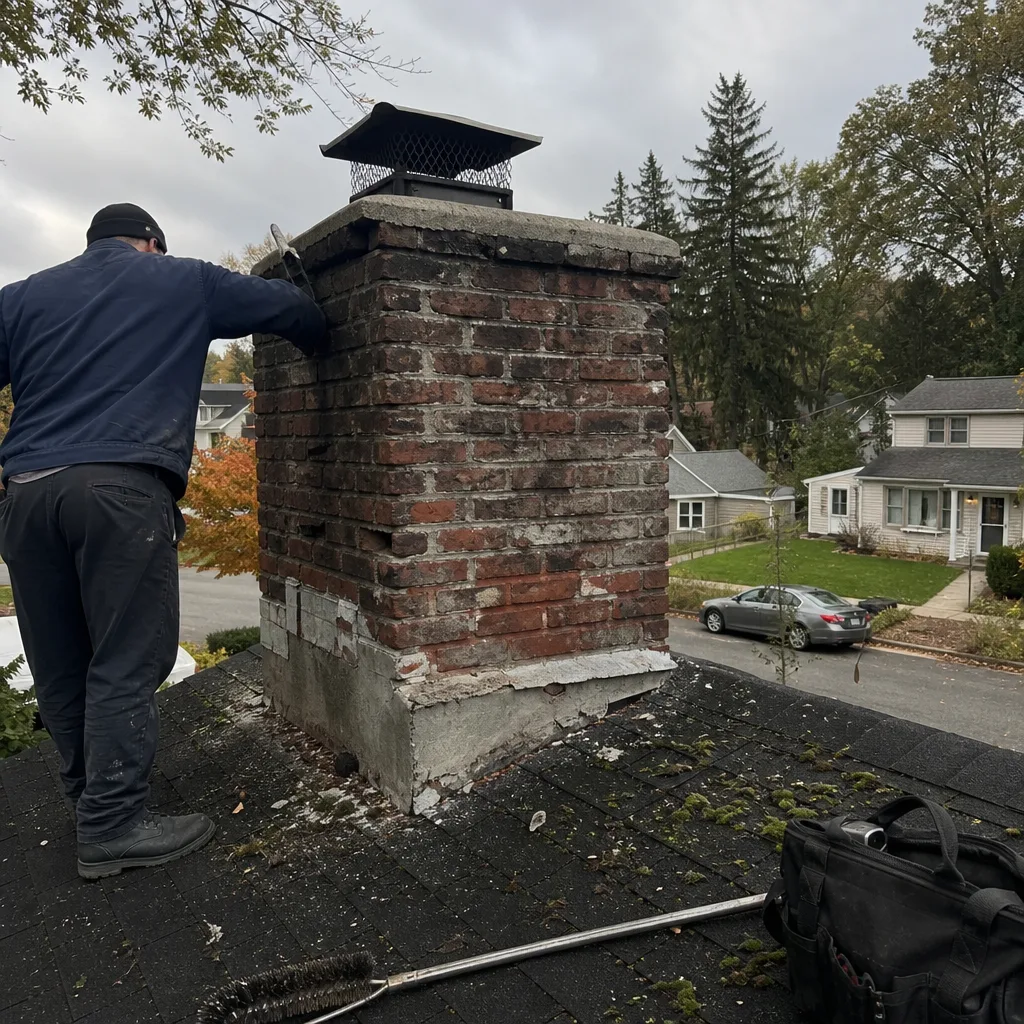 Before
 After
After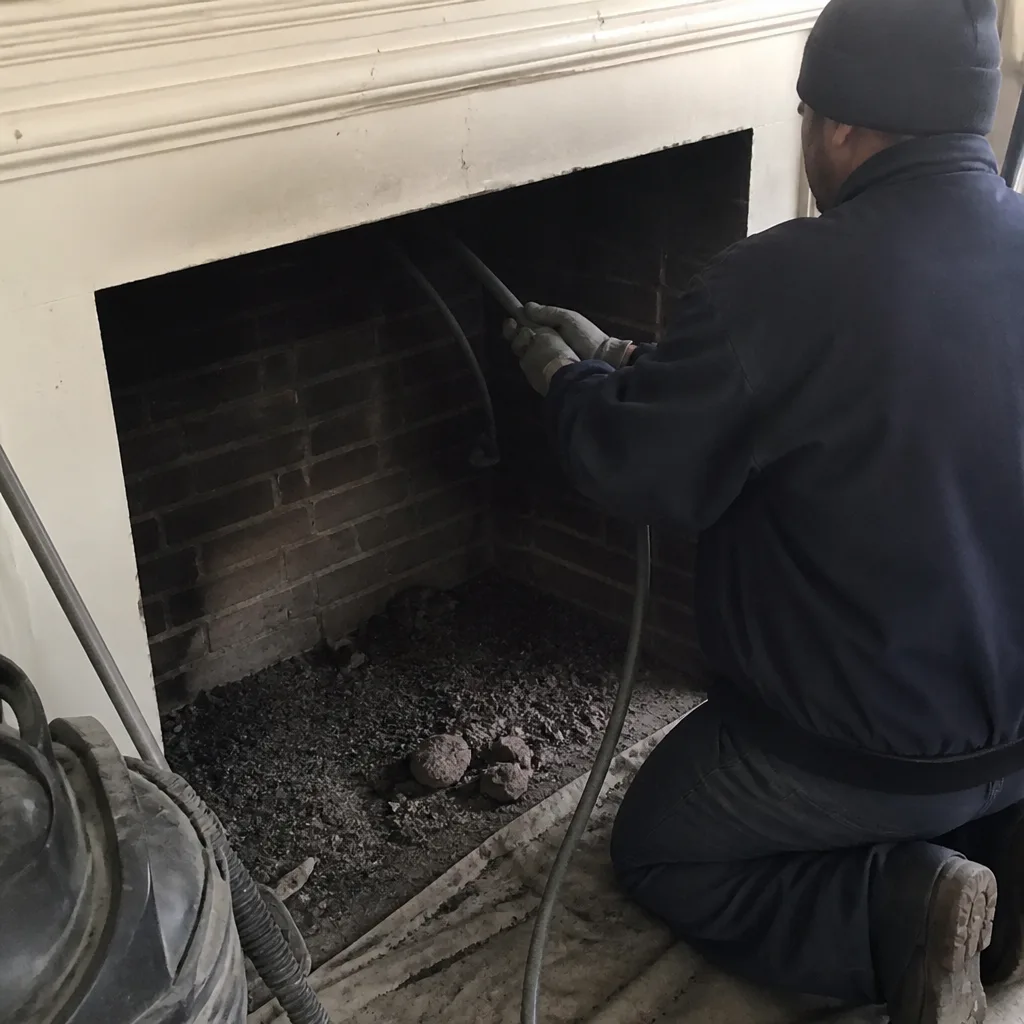 Before
 After
After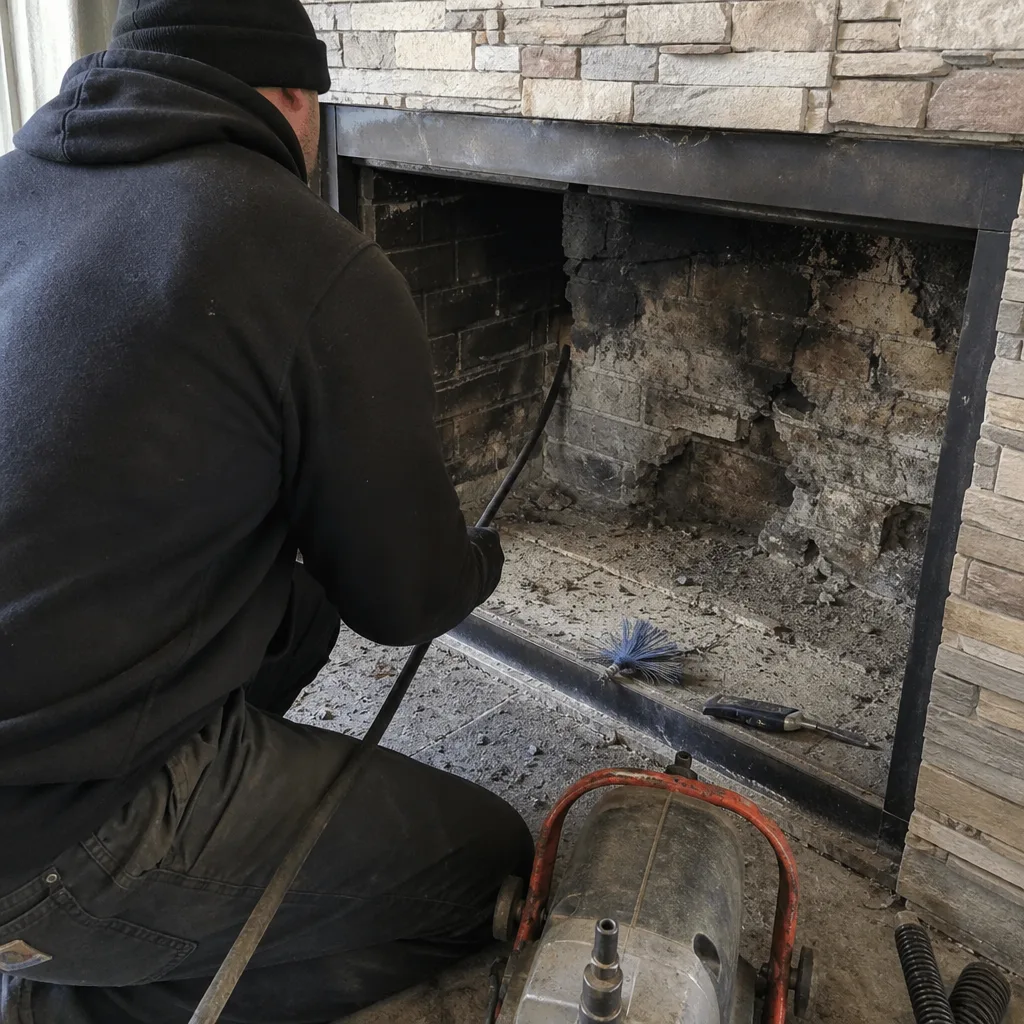 Before
 After
After